
Operation Deep Sentinel and the Archetyp Takedown
Operation Deep Sentinel marked a significant international law enforcement action targeting the infrastructure of the Archetyp market. This coordinated effort resulted in the seizure of the platform’s servers and the takedown of its primary domains, effectively dismantling a major hub for illicit commerce. The operation demonstrated a focused strategy to disrupt darknet economies by attacking their core operational stability, leaving vendors and users of the Archetyp market displaced. In the wake of such disruptions, former participants often migrate to other established platforms, with some seeking refuge on venues like the Ares market.
International Law Enforcement Collaboration
Operation Deep Sentinel, culminating in the Archetyp takedown, represents a significant victory for international law enforcement collaboration against darknet marketplaces. This multi-agency effort, involving authorities from the United States, Germany, Switzerland, and other nations, successfully dismantled a major hub for illicit trade. The operation demonstrated a sophisticated, coordinated approach to targeting the infrastructure and key actors behind the archetyp darknet market, highlighting a global commitment to disrupting cybercrime.
The success of this initiative was not an isolated event but the result of extensive cross-border intelligence sharing and joint investigative work. Agencies pooled resources and expertise to penetrate the market’s security, track cryptocurrency transactions, and identify individuals operating under pseudonyms. This level of cooperation is essential to overcome the jurisdictional challenges and technical obfuscation methods that platforms like Archetyp employ to shield themselves from legal repercussions.
The impact of the Archetyp seizure sends a powerful deterrent message to other market operators and their users. It underscores that the perceived anonymity of the darknet is increasingly fragile. Law enforcement’s ability to infiltrate, monitor, and ultimately shut down such platforms continues to evolve, making it a high-risk environment for criminal enterprises. The takedown disrupts not only the market’s operations but also the trust within the entire ecosystem, as vendors and buyers lose funds and fear exposure.
Ultimately, operations like this are critical for upholding the rule of law in digital spaces and protecting citizens from the harms associated with the trade of illegal goods. The continued focus on international partnerships remains the most effective strategy for combating the global threat posed by sophisticated darknet markets.
Replacement of the Market with a Law Enforcement Banner
Operation Deep Sentinel marked a significant international law enforcement action targeting the infrastructure of a prominent darknet market. This coordinated effort involved agencies from multiple nations working in concert to dismantle the platform’s operations and apprehend its administrators and key vendors. The focus was not merely on the public-facing website but on the underlying servers, financial networks, and the individuals orchestrating the illicit enterprise, aiming for a permanent disruption rather than a temporary outage.
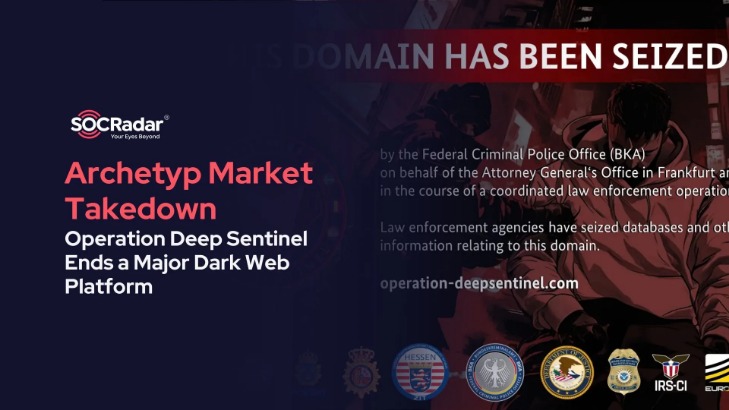
The culmination of this investigation was the Archetyp Takedown. Authorities successfully seized the market’s servers and domain, effectively shutting down all activity. In a now-standard procedure for signaling a successful law enforcement seizure, the homepage of the archetyp marketplace was replaced with a banner. This banner serves as an official notice from the involved agencies, declaring the platform has been taken offline and is under their control, often accompanied by a warning to its users.
The replacement of a darknet market’s homepage with a law enforcement banner is a powerful psychological and symbolic tool. It demonstrates the reach of international authorities into the seemingly anonymous depths of the dark web and serves as a direct message to both vendors and buyers that their activities are being monitored. This action is designed to erode trust in such platforms, create uncertainty among criminals, and signal that no illicit operation is beyond the reach of the law.
Archetyp Market Overview
The Archetyp Market has carved out a significant niche within the competitive darknet ecosystem, establishing itself as a notable platform for peer-to-peer commerce. Its operational model emphasizes user security and vendor reliability, attracting a dedicated user base seeking a streamlined experience. The architecture of the Archetyp market is designed to facilitate anonymous transactions, a core tenet for its clientele. For those navigating this landscape, a crucial resource is the Ares Market portal, which provides a parallel perspective on the ecosystem’s dynamics and security practices.
Launch, Growth, and Estimated Transaction Volume
The Archetyp Market emerged as a significant player in a crowded ecosystem, distinguishing itself through a focus on user experience and vendor reliability. Its launch was marked by a deliberate strategy to attract high-quality vendors from other platforms, offering stability and a lower commission structure to entice migration. This approach quickly filled its digital shelves with a diverse array of listings, fostering a competitive and attractive environment for buyers from its earliest days.
Growth was rapid, fueled by positive feedback on forums and a reputation for consistent uptime. The market’s administration prioritized security and operational transparency, which built trust within its user base. This period of expansion was crucial in establishing Archetyp as a mainstay rather than a fleeting alternative. A smooth and secure archetyp login process was a key component of this user-centric philosophy, ensuring members could access the platform with confidence.
While precise financial figures are inherently elusive, estimates of its transaction volume place it among the upper echelon of its competitors at its peak. The volume was sustained by a core of reliable vendors conducting high-value sales and a steady stream of smaller, routine transactions. This consistent economic activity confirmed the market’s successful penetration into the underground economy and its ability to maintain a liquidity that benefited all participants.
User Base and Primary Listings for Illicit Drugs
Archetyp Market emerged as a significant darknet marketplace following the destabilization of larger platforms, carving out a niche for itself within the digital underground. It operates on a model common to such sites, utilizing cryptocurrency transactions and the Tor network to provide anonymity for its users and vendors. The platform’s infrastructure is designed to resist takedowns, with its operators frequently promoting access via an archetyp mirror to ensure consistent availability despite potential disruptions or attempts to shut down its primary address.
The user base of Archetyp is predominantly composed of individuals seeking to anonymously acquire controlled substances. This community includes both seasoned darknet market patrons and newer users drawn by the platform’s specific focus. Vendor reputations are built on a feedback and rating system, which is critical for establishing trust in an environment where legal recourse is nonexistent. This system creates a self-policing ecosystem where reliability and product quality are paramount for successful operation.
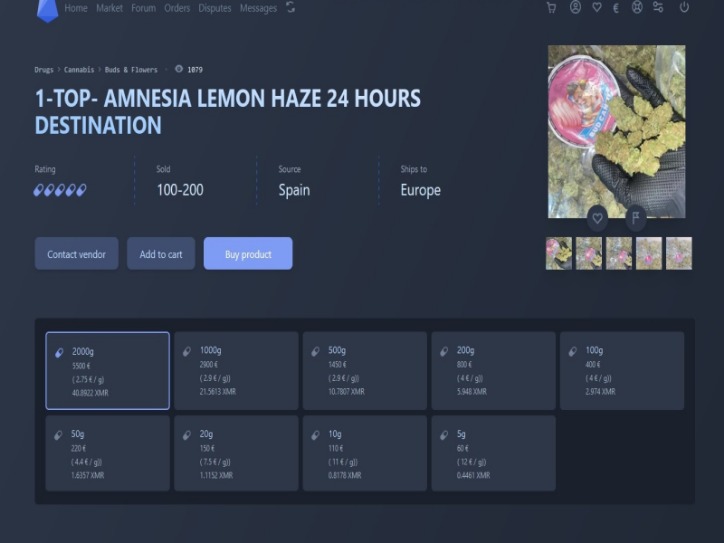
The primary listings on Archetyp Market are overwhelmingly for illicit drugs, encompassing a wide range of substances from cannabis and ecstasy to opioids, stimulants, and prescription medications. The offerings are organized into detailed categories, allowing users to filter products by type, vendor, price, and shipping origin. While other illicit goods or services may appear, the core of the market’s economy and its main attraction for users is firmly centered on the global trade of narcotics.
Enhanced Security Measures of Archetyp
In the volatile landscape of darknet commerce, the Archetyp market has established a formidable reputation by prioritizing user protection through advanced technological safeguards. The platform’s enhanced security framework is built upon a foundation of end-to-end encryption, mandatory multi-signature escrow transactions, and a strict no-JavaScript policy to mitigate client-side vulnerabilities. This proactive approach ensures that both vendor and buyer interactions within the Archetyp market are shielded from common threats, fostering a more secure and resilient trading environment. For further insights into secure market operations, visit a related resource on secure transactions.

Implementation of Pretty Good Privacy (PGP) Encryption
The digital marketplace landscape demands robust security protocols to protect user data and transaction integrity. The archetyp market addresses this critical need through its foundational use of Pretty Good Privacy (PGP) encryption, a standard for cryptographic privacy. This implementation ensures that all communication between users, including sensitive order details and personal information, is encrypted end-to-end. Messages are scrambled using the recipient’s public key, rendering them unreadable to anyone except the intended party who possesses the corresponding private key. This mechanism effectively eliminates the risk of interception and eavesdropping by third parties, including the platform itself.
Beyond securing messages, PGP encryption is integral to verifying user identities and preventing spoofing attacks on the archetyp market. When a user sends a message, they can digitally sign it with their private key. The recipient can then use the sender’s public key to verify the signature’s authenticity, confirming the message’s origin and ensuring it has not been altered in transit. This dual function of encryption and authentication creates a trusted environment for commerce, allowing participants to conduct business with a higher degree of confidence in the legitimacy of their counterparts and the confidentiality of their interactions.
The mandatory use of PGP for all sensitive communications represents a significant enhancement over less secure platforms that may rely on unencrypted or centrally stored messages. By placing the power of encryption directly into the hands of its users, the market’s architecture minimizes the amount of plaintext data stored on its servers, thereby reducing the value of any potential database breach. This user-centric security model ensures that privacy is not just a feature but a fundamental principle of the platform’s operation, safeguarding all participants.
Adoption of the Untraceable Monero Cryptocurrency
The archetyp marketplace has significantly bolstered its security posture by fundamentally altering its financial infrastructure, moving away from traditional and even mainstream cryptocurrencies to the exclusively private digital currency, Monero. This strategic pivot is a direct response to the inherent transparency of blockchains like Bitcoin and Ethereum, where every transaction is publicly visible and traceable by design. By adopting Monero, which utilizes advanced cryptographic techniques including ring signatures, stealth addresses, and Ring Confidential Transactions (RingCT), the platform ensures that all financial activity is obfuscated by default, making it virtually impossible to link payments to specific users or to discern wallet balances.
This enhanced financial privacy is a cornerstone of a broader security philosophy that prioritizes user anonymity and operational security. The untraceable nature of Monero transactions protects both buyers and vendors from blockchain analysis, a common tactic employed by external agencies to de-anonymize market participants. This eliminates a critical vector of attack and investigation, as the movement of funds can no longer be used to uncover identities or map out the marketplace’s economic ecosystem. Consequently, the risk of financial tracing leading to real-world identification is drastically reduced, creating a more resilient environment for all parties involved.
Beyond the implementation of a private cryptocurrency, the marketplace’s security framework is further reinforced by stringent operational protocols. These measures are designed to compartmentalize information and minimize potential points of failure. The integration of Monero acts in synergy with these protocols, ensuring that even in the event of other security layers being probed, the financial data remains an impenetrable black box. This multi-layered approach, with untraceable transactions at its financial core, represents a significant evolution in how such platforms safeguard their users’ identities and activities from external scrutiny.
The Recurring Cycle of Dark Web Market Shutdowns
The cyclical nature of dark web marketplaces is a defining characteristic of the ecosystem, where periods of growth and stability are inevitably punctuated by law enforcement intervention or exit scams. The abrupt closure of a prominent platform like Archetyp Market serves as a stark reminder of this volatile reality, leaving both vendors and customers to navigate the fallout. In the ensuing chaos, the community’s migration often coalesces around new, emerging hubs such as Ares Market, perpetuating the very cycle that led to the demise of the former Archetyp Market.
Historical Precedents: Silk Road, AlphaBay, and Others
The recurring cycle of dark web market shutdowns is a well-established pattern in the digital underground, a perpetual game of cat and mouse between law enforcement agencies and market operators. This cycle typically begins with a period of rapid growth and notoriety, attracting a critical mass of vendors and buyers seeking anonymity. As the market’s popularity soars, it inevitably draws the focused attention of international police operations, which meticulously gather intelligence through infiltration, blockchain analysis, and technical vulnerabilities. The culmination is a coordinated takedown, often accompanied by arrests and seizure messages plastered across the seized domain, sending shockwaves through the community and sparking a frantic migration of users to newer, emerging platforms.
Historical precedents like Silk Road and AlphaBay perfectly illustrate this inevitable trajectory. Silk Road, the original pioneer, was brought down in 2013, establishing the initial blueprint for such operations. Its successor, AlphaBay, grew to become a far larger entity, only to be shuttered in 2017 as part of an even more extensive international effort. Each closure creates a power vacuum and a period of instability, with users scrambling to find a reliable alternative while fearing exit scams or law enforcement traps. This environment of paranoia and uncertainty is a direct consequence of the historical pattern, forcing users to constantly assess the legitimacy and security of new entrants.
In this volatile landscape, platforms like Archetyp Market attempt to position themselves as the next evolution, often promising enhanced security features and operational security to avoid the mistakes of the fallen. The discourse surrounding any new market is intense and widespread, with communities on platforms like reddit serving as a central hub for user sentiment, reviews, and warnings. A glance at any Archetyp Market reddit thread reveals a user base deeply aware of this cyclical history, constantly debating its trustworthiness and longevity against the backdrop of AlphaBay’s fate. This collective memory fuels a cautious approach, where every server outage or admin announcement is scrutinized for signs of an impending collapse or law enforcement action, proving that the ghosts of markets past continue to shape user behavior in the present.
Short-Term Impact and Rapid Adaptation of the Ecosystem
The shutdown of a prominent dark web market like Archetyp is often portrayed as a decisive victory for law enforcement, creating an immediate and palpable shockwave across the digital underground. In the short term, the ecosystem plunges into chaos: vendors lose a primary revenue stream and a crucial platform for client interaction, while buyers face the loss of escrow-protected funds and trusted connections. The seizure of a market’s infrastructure, such as the archetyp onion domain, creates a power vacuum, triggering a frantic scramble among users to verify the news, secure their operational security, and find a new home. This period is characterized by paranoia, exit scams from other markets capitalizing on the confusion, and a significant, albeit temporary, disruption in the flow of goods and services.
However, this disruptive phase is remarkably short-lived. The ecosystem’s resilience is rooted in its decentralized and anarchic nature. Almost immediately, a process of rapid adaptation begins. Vendors, having learned to anticipate such events, maintain off-market communication channels with their loyal customer bases through encrypted messaging apps and forums. They simply migrate their operations en masse to one or several of the existing competing markets, or to new ones that inevitably emerge to fill the void. This migration is often streamlined, with vendors publishing their new storefront locations on various dark web review sites and forums, ensuring business continuity with minimal downtime.
This cycle of disruption and regeneration reveals a fundamental truth about the dark web marketplace model: it is a hydra. The removal of one head, while creating initial disarray, only strengthens the overall system by reinforcing the need for operational security, multi-market presence, and stronger community ties outside any single platform. The constant threat of shutdowns has hardwired adaptation into the very DNA of these communities, ensuring that no single market, not even one as significant as Archetyp, is indispensable. The ecosystem does not collapse; it simply redistributes its components and continues its operations elsewhere, often emerging more fragmented and yet more resilient than before.

Resilience of Dark Web Communities
The resilience of dark web communities is a testament to their decentralized and antifragile nature, constantly evolving in response to external pressure. The closure of a major marketplace often serves not as a death knell but as a catalyst for rapid adaptation and rebirth, a cycle perfectly illustrated by the journey from the original Archetyp Market to its subsequent iterations. This persistent regeneration, fueled by an unwavering demand for discreet commerce, ensures that platforms like Archetyp Market or alternatives such as Ares quickly fill any vacuum, maintaining the ecosystem’s robust and enduring infrastructure against all attempts at eradication.
Migration of Established Vendors as ‘Digital Refugees’
The resilience of dark web communities is a testament to their inherently decentralized and adversarial design. When law enforcement achieves a significant victory, such as the takedown of a major marketplace, the ecosystem does not collapse but rather undergoes a rapid and strategic metamorphosis. Established vendors, having built reputations and customer bases over years, do not simply vanish; they become a form of digital refugee, migrating en masse to pre-established backup platforms or emerging new markets. This exodus is often coordinated through encrypted channels on clearnet social media or forums, ensuring business continuity with minimal disruption. The community’s survival hinges on this very ability to disperse and reconstitute itself under a new banner, treating takedowns as inevitable operational hazards rather than existential threats.
The journey of these digital refugees frequently leads to markets like Archetyp, which often experience a surge in both vendor registrations and user activity following the fall of a competitor. For a displaced vendor, the process of re-establishing operations on a new platform is a calculated risk, weighing the platform’s security features, commission rates, and stability against the need to quickly recapture market share. Their migration is a powerful stabilizing force for the ecosystem, as they bring with them a loyal clientele and a practiced understanding of operational security, thereby strengthening the resilience of their new digital home. The constant churn of markets, therefore, does not destroy the underground economy but forces its evolution.
For users seeking to follow these migrated vendors, understanding how to access Archetyp market becomes a critical piece of knowledge. This process is rarely straightforward, as the official URLs are dynamic and must be verified through multiple independent sources to avoid phishing traps. The resilience of the community is mirrored in the diligence of its participants, who must constantly adapt their methods to navigate the volatile landscape of domains and mirrors. This continuous cycle of disruption, migration, and verification underscores a core truth: the dark web’s infrastructure is designed to be antifragile, growing stronger and more elusive in response to attacks.
- These operations also serve as a warning shot to other cybercriminal networks.
- The Archetyp Market homepage now displays an official seizure banner, a common police tactic to publicly mark the dismantling of illegal platforms and raise awareness.
- By eliminating Archetyp Market, authorities believe they’ve significantly disrupted the global supply of some of the most dangerous substances, underscoring the growing efficacy of coordinated cyber-policing efforts.
- This suggests that the site’s policy is not aimed at making quick money, but at playing the darknet for a long time!
Community Forums and Shared Knowledge for Navigating Disruption
The resilience of dark web communities is a testament to their decentralized and fluid nature, where disruption is not an endpoint but a catalyst for adaptation. When a marketplace faces seizure, exit scams, or technical failure, its user base does not simply dissolve; instead, it fragments and migrates, carrying its collective knowledge and social capital to new platforms. This migration is facilitated by a deeply ingrained culture of shared operational security (OpSec) practices, detailed guides on encryption, and forums dedicated to vetting new ventures. The community’s survival hinges on this distributed repository of knowledge, ensuring that even when a specific node fails, the network persists and reconstitutes itself elsewhere.
This dynamic is perfectly illustrated by the ecosystem surrounding the archetyp dark web marketplace. Its operational history, marked by periods of instability, did not lead to the demise of its community but rather demonstrated its inherent robustness. Users and vendors, operating from a foundation of shared suspicion and verification protocols, quickly disseminate warnings and recommendations through independent forums and encrypted channels. This constant, low-level communication creates an early-warning system, allowing the community to pivot en masse when a platform shows signs of compromise, ensuring that the core activities and relationships can continue with minimal interruption on a successor site.
Ultimately, the strength of these communities lies not in the permanence of any single platform like a market or forum, but in the persistent and evolving knowledge base they cultivate. This shared intelligence, covering everything from cryptocurrency tumbling to detecting law enforcement infiltration, forms an immutable core that transcends the lifespan of any individual website. It is this collective wisdom, passed through a resilient and trust-based network, that allows dark web ecosystems to navigate perpetual disruption, ensuring their continuity despite relentless external pressure and internal volatility.
Limitations of Current Policing Strategies
Modern policing strategies face significant limitations in their ability to combat the evolving landscape of illicit online commerce, particularly within encrypted ecosystems like the archetyp market. Traditional investigative tools are often rendered obsolete by the sophisticated use of cryptocurrency and anonymizing networks, which shield both vendor and consumer identities. This technological arms race creates a persistent challenge for law enforcement agencies worldwide, as they struggle to adapt to a domain where jurisdictional boundaries are blurred and evidence collection is exceptionally complex. The resilience of platforms such as the archetyp market highlights a critical gap in contemporary enforcement frameworks, necessitating a fundamental reevaluation of tactics to effectively address this digital threat. For a deeper understanding of the underlying technology, one might explore resources available on the Ares network.
Focus on Market Storefronts Over Underlying Communities
Current policing strategies aimed at market storefronts often operate under the flawed assumption that shutting down a visible point of sale will eradicate the underlying demand and supply chains. This approach treats the symptom rather than the disease, focusing immense resources on the temporary disruption of a single operation while the criminal ecosystem simply migrates, adapts, and resurfaces elsewhere. The takedown of a major platform like the archetyp dark web marketplace, while a significant law enforcement victory, ultimately serves as a case study in this limitation; it creates a temporary power vacuum and period of instability before new or existing competitors quickly absorb its user base and market share.
This storefront-centric model fails to address the foundational elements that allow illicit markets to thrive. It neglects the complex socioeconomic drivers—such as lack of opportunity, poverty, and inadequate social services—that fuel both the supply and demand sides of the equation within communities. By prioritizing the digital or physical marketplace itself, authorities overlook the deeper, more resilient networks of manufacturers, distributors, and financiers who are insulated from these surface-level enforcement actions and are prepared to establish a new storefront almost immediately.
Consequently, this strategy yields diminishing returns and a perpetual game of whack-a-mole, where success is measured in seizures and website closures rather than genuine community safety or a reduction in long-term harm. A truly effective approach would require a fundamental shift from reactive enforcement against the market to proactive investment in the community, targeting the root causes that make such markets a viable enterprise in the first place.
Neglect of Broader Digital Harms on Mainstream Platforms
Current policing strategies against illicit online activity exhibit significant limitations, primarily due to their reactive and platform-centric nature. Law enforcement operations, such as coordinated takedowns of darknet markets like Archetyp Market, represent tactical victories but fail to constitute a strategic solution. This approach is akin to playing a game of whack-a-mole; the removal of one platform creates a temporary disruption, only for the displaced vendors and users to quickly migrate to an existing alternative or for a new market to emerge in the vacuum. The underlying ecosystem, driven by demand and technological accessibility, remains largely untouched by these actions.
This narrow focus on individual marketplaces as endpoints for criminal activity diverts crucial resources and attention away from the pervasive and often more insidious digital harms flourishing on mainstream platforms. While authorities target the obscure corners of the dark web, vast networks of illicit finance, radicalization, and coordinated harassment operate openly or with minimal obfuscation on popular social media, encrypted messaging apps, and other clearnet services. These environments facilitate everything from the recruitment of vulnerable individuals into extremist ideologies to the large-scale distribution of non-consensual intimate imagery and sophisticated fraud schemes.
The neglect of these broader digital harms stems from a combination of jurisdictional challenges, the sheer scale of content on mainstream platforms, and a legal framework that often struggles to keep pace with technological innovation. The result is a significant enforcement gap where high-impact crimes with real-world consequences are routinely overlooked because they do not occur on a dedicated criminal platform. Consequently, the prevailing strategy creates a dangerous perception that crime is being addressed, while in reality, it merely displaces the problem and allows more complex and widespread forms of digital harm to fester and grow unchecked on services integrated into daily life.
Illicit Trade Beyond the Dark Web
While popular discourse often frames illicit trade as a phenomenon confined to the dark web’s hidden corners, a significant portion has migrated to more accessible, albeit encrypted, platforms. The closure of major darknet markets has accelerated this shift, pushing vendors and buyers towards decentralized communication channels and invite-only forums. This evolution is exemplified by the rise of markets like Archetyp Market, which operate with a heightened focus on operational security to evade law enforcement. The infrastructure supporting this ecosystem, from secure email providers to cryptocurrency tumblers, is crucial for its persistence. The resilience of platforms such as the Archetyp Market demonstrates that the digital underworld is adapting, finding new havens beyond the traditional onion-based storefronts and into the shadows of the clearnet itself.
Drug Promotion on Social Media and Surface Web Platforms
The digital landscape of illicit trade has dramatically evolved, moving far beyond the confines of the dark web’s encrypted networks. While platforms like the now-defunct Archetyp market once operated within these hidden corners, a significant portion of drug promotion and distribution has migrated to the surface web and mainstream social media. Vendors and buyers now leverage the very tools designed for social connection and commerce, utilizing coded language, emojis, and private groups to conduct business in plain sight, often with a disturbing level of openness.
Social media platforms and popular messaging apps have become the new storefronts for narcotics. Dealers use hashtags, fleeting stories, and algorithm-friendly content to reach a global audience, while transactions are frequently finalized on encrypted chat services. This shift represents a fundamental challenge to law enforcement and platform moderators, as the sheer volume of traffic and the use of subtle slang make detection and removal an endless game of whack-a-mole, blurring the lines between public content and criminal activity.
This migration away from traditional darknet markets like Archetyp is driven by accessibility and perceived safety. The technical barriers to entry on the dark web, including the need for specialized software, are significant deterrents for a casual user. In contrast, finding a source on a mainstream platform requires little more than a smartphone and knowledge of the right search terms. This ease of access, however, comes with immense risk for buyers, who have no recourse for scams, no quality control on products, and leave a much clearer digital footprint for authorities.
The operational security that defined early darknet markets is largely absent on these surface web platforms. Where a market like Archetyp provided a layer of anonymity through encryption and cryptocurrency escrow, surface web deals often lead to direct, unsecured communication and payment methods that can be traced. The illusion of safety in a familiar digital environment is dangerously misleading, exposing all parties involved to greater legal and physical danger compared to the more insulated, though still risky, dark web ecosystem.
Despite the clear presence of these activities on clear web sites, some individuals still seek out the structured environment of dedicated markets. For those determined to navigate this high-risk space, the process typically begins with acquiring specific software to access an encrypted network. It is within this separate layer of the internet that one would historically learn how to access Archetyp or similar venues, a process involving directories, community verification, and extreme caution to avoid law enforcement traps and phishing scams.
Emerging Threats like AI-Generated Deepfakes and Crypto Scams
The digital underground has evolved far beyond the confines of traditional darknet markets, with illicit trade proliferating across the open web and encrypted messaging apps. While platforms like the Archetyp darknet market represent a centralized model for contraband, the decentralization of illegal activity presents a far greater challenge to law enforcement and platform moderators. This shift sees transactions for counterfeit goods, stolen data, and fraudulent services moving to surface web e-commerce sites, social media platforms, and private channels, making detection and disruption significantly more complex.
Emerging technological threats are amplifying these dangers. AI-generated deepfakes have become a powerful tool for fraud and disinformation, enabling sophisticated business email compromise (BEC) schemes, identity theft, and the creation of non-consensual explicit content. The barrier to entry for creating convincing forgeries has vanished, allowing low-skilled criminals to generate highly realistic audio and video to manipulate victims. This technology poses a profound threat to personal security, corporate integrity, and even public trust in digital media.
Parallel to this, the cryptocurrency ecosystem remains a fertile ground for exploitation through sophisticated scams. Beyond simple phishing, criminals now deploy fake investment platforms offering unrealistic returns, conduct rug pulls where developers abandon a project after stealing investor funds, and use smart contract vulnerabilities to drain wallets automatically. The pseudo-anonymous and irreversible nature of crypto transactions makes victims whole recovery nearly impossible, cementing these schemes as a low-risk, high-reward enterprise for organized cybercriminal groups.