

Operation RapTor Overview
Operation RapTor represents a coordinated law enforcement effort targeting darknet drug trafficking networks that exploit encrypted platforms to distribute illicit substances globally. By dismantling key infrastructure and apprehending high-profile vendors, authorities aim to disrupt the darknet drug trafficking supply chain. For further insights into related operations, visit this resource. The initiative underscores the growing challenges and technological sophistication involved in combating underground markets.
Global Law Enforcement Collaboration
Operation RapTor was a significant international effort targeting darknet drug trafficking networks, demonstrating the power of law enforcement collaboration across borders. The operation dismantled multiple high-profile marketplaces and led to the arrest of key individuals involved in the illicit trade of narcotics. By leveraging advanced cyber techniques and intelligence sharing, authorities disrupted the supply chain of illegal substances, highlighting the global commitment to combating online drug trafficking.
- Coordinated raids across multiple countries
- Seizure of cryptocurrencies and illegal substances
- Arrests of vendors and administrators
- Disruption of darknet infrastructure
The success of Operation RapTor underscored the importance of international cooperation in tackling cyber-enabled crime. Agencies pooled resources, expertise, and jurisdictional authority to achieve a decisive blow against organized crime networks operating in the shadows of the darknet.
Key Seizures and Arrests
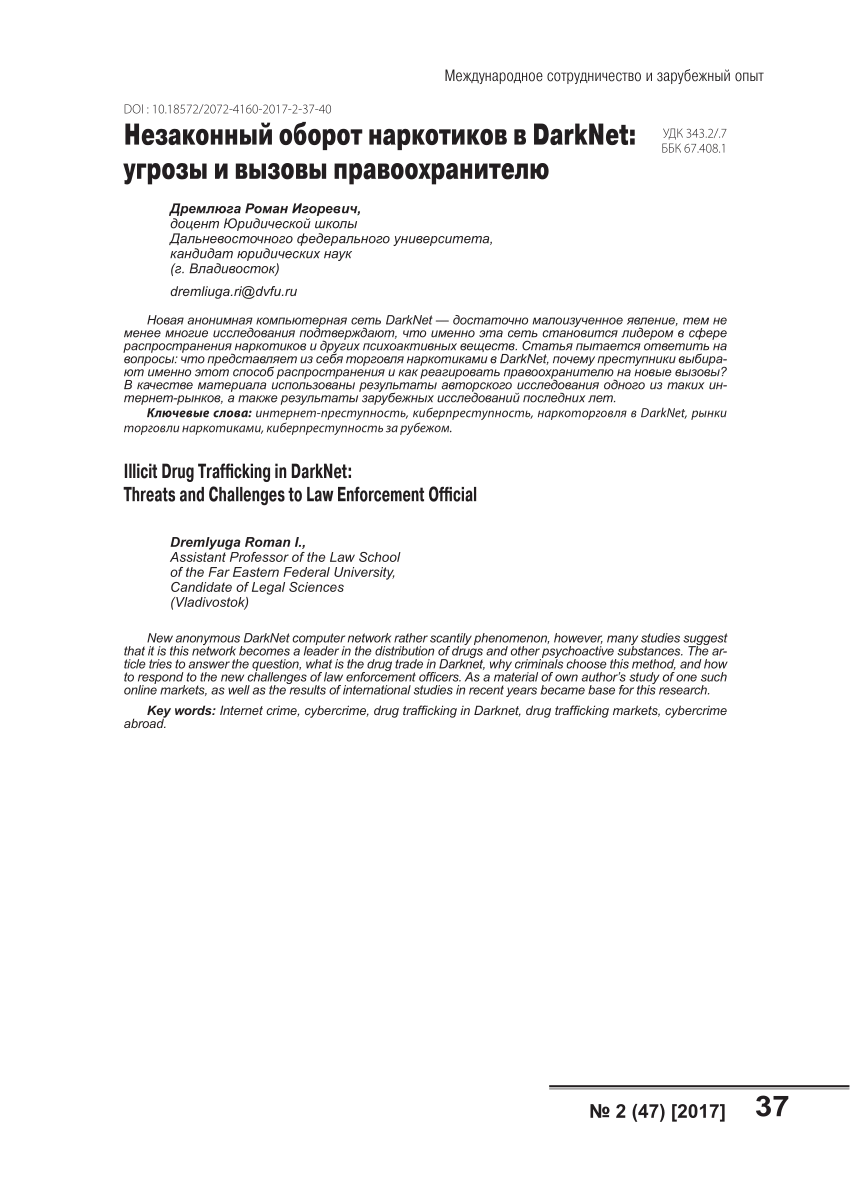
Operation RapTor was a significant international law enforcement effort targeting darknet drug trafficking networks. The operation focused on dismantling organized crime groups that utilized hidden services to distribute illegal substances globally. By leveraging advanced cyber investigative techniques, authorities infiltrated these covert platforms, leading to major disruptions in the underground drug trade.
Key seizures included large quantities of narcotics such as fentanyl, cocaine, and MDMA, along with substantial amounts of cryptocurrency used for transactions. Law enforcement also confiscated firearms, counterfeit documents, and sophisticated encryption tools employed by traffickers to evade detection. These seizures underscored the scale and sophistication of darknet drug operations.
Numerous arrests were made across multiple countries, targeting high-profile vendors and administrators of illicit marketplaces. The operation revealed the interconnected nature of darknet trafficking, with suspects operating across borders while relying on anonymizing technologies. The crackdown sent a clear message to criminals exploiting hidden services for drug distribution.
Darknet Market Disruption
The disruption of darknet markets has become a critical focus for law enforcement agencies worldwide, as these hidden platforms facilitate the illicit trade of narcotics and other illegal goods. Darknet drug trafficking thrives in the shadows of encrypted networks, leveraging anonymity to evade detection. Recent operations have targeted key infrastructure, such as the takedown of notorious marketplaces, disrupting the flow of illegal substances. Despite these efforts, the resilience of darknet drug trafficking underscores the ongoing challenge of combating cyber-enabled crime.
Seizure of Major Marketplaces
Darknet market disruption has become a significant focus for law enforcement agencies worldwide, targeting the illegal drug distribution networks operating in hidden online spaces. Recent operations have led to the seizure of major marketplaces, dismantling platforms that facilitated the sale of narcotics, stolen data, and other illicit goods. These efforts aim to curb the growing influence of darknet markets in global drug trafficking.
- Coordinated international raids have shut down prominent darknet platforms.
- Authorities have arrested key operators and vendors involved in illegal trade.
- Advanced tracking techniques are being used to trace cryptocurrency transactions.
- Seized assets include servers, digital wallets, and vendor inventories.
The crackdown on darknet markets highlights the challenges of regulating anonymous online spaces while disrupting the supply chains of illegal substances. Despite these efforts, new marketplaces often emerge, requiring continuous enforcement strategies to combat evolving drug distribution methods.
Role of JCODE and Europol
The disruption of darknet markets has become a critical focus for international law enforcement agencies, particularly in combating drug trafficking. These hidden platforms facilitate illegal trade, often relying on cryptocurrency payments to maintain anonymity. Organizations like JCODE (Joint Criminal Opioid and Darknet Enforcement) and Europol play pivotal roles in dismantling these networks through coordinated operations and intelligence sharing.
JCODE, a specialized task force within the U.S. Department of Justice, targets opioid distribution and darknet market activities. By leveraging advanced cyber tools, JCODE identifies and prosecutes vendors and administrators involved in illicit drug sales. Similarly, Europol’s European Cybercrime Centre (EC3) collaborates with global partners to track and disrupt darknet operations, ensuring cross-border enforcement. Their efforts have led to the takedown of major marketplaces, significantly impacting the flow of narcotics.
The use of cryptocurrency payments complicates investigations, but agencies have adapted by employing blockchain analysis to trace transactions. This technological arms race underscores the ongoing challenge of darknet drug trafficking, where law enforcement must continuously innovate to stay ahead of criminal networks.
Case Studies
Case studies provide an in-depth examination of complex phenomena, offering valuable insights into real-world scenarios. In the context of darknet drug trafficking, these analyses reveal the intricate mechanisms behind illicit online markets, from vendor operations to buyer anonymity. One notable example involves the nexusafejew45osqaawl2xqjwmincsfvjwuwtm2fums2kjeon7tbmlid marketplace, which exemplifies the challenges law enforcement faces in combating these hidden networks. By exploring such cases, researchers uncover patterns and vulnerabilities within darknet drug trafficking, aiding in the development of more effective countermeasures.
Incognito Market Takedown
The takedown of Incognito Market represents a significant milestone in the fight against darknet drug trafficking. This underground marketplace, known for facilitating the sale of illegal substances, was dismantled through coordinated international law enforcement efforts. The operation highlights the growing sophistication of cybercrime units in targeting and disrupting platforms that enable the distribution of contraband.

- Incognito Market operated as a hidden service, leveraging encryption to conceal user identities.
- The platform specialized in narcotics, counterfeit documents, and other illicit goods.
- Authorities employed advanced blockchain analysis to trace transactions and identify key operators.
The case underscores the challenges of policing the darknet, where anonymity tools and cryptocurrencies complicate investigations. Despite these obstacles, the takedown sends a clear message to other market operators: law enforcement agencies are increasingly capable of infiltrating and dismantling these networks. The seizure of servers and arrest of administrators demonstrate that no platform is entirely beyond reach.
Fentanyl-Laced Pill Ring
The rise of fentanyl-laced pill rings has become a critical concern in the realm of darknet drug trafficking, where illicit substances are distributed through hidden online channels. These operations often exploit underground markets to evade law enforcement, posing severe risks to public health due to the potency and unpredictability of fentanyl.
- Fentanyl-laced pills are frequently disguised as legitimate pharmaceuticals, such as oxycodone or Xanax.
- Traffickers use encrypted platforms to coordinate sales, making detection difficult.
- The synthetic nature of fentanyl allows for mass production at minimal cost.
- Overdose fatalities linked to counterfeit pills have surged in recent years.
Law enforcement agencies face significant challenges in dismantling these networks, as traffickers leverage anonymity tools to obscure their identities. The proliferation of fentanyl-laced products underscores the dangers of unregulated underground markets, where buyers unknowingly consume lethal doses.
Counterfeit Adderall Network
The darknet has become a hub for illicit activities, including the trafficking of narcotics. One notable case study involves the counterfeit Adderall network, which exploited the anonymity of these hidden platforms to distribute fake prescription drugs. This operation not only endangered public health but also highlighted the challenges law enforcement faces in combating such crimes.
Counterfeit Adderall networks often mimic legitimate pharmaceutical supply chains, making detection difficult. These operations typically source low-quality or dangerous substitutes, packaging them to resemble authentic medication. Buyers, unaware of the risks, consume these pills, leading to severe health consequences or even fatalities.
The rise of such networks underscores the need for stronger regulatory measures and international cooperation. While authorities have made strides in dismantling some of these operations, the darknet’s decentralized nature ensures that new networks emerge rapidly. Public awareness and education remain critical tools in reducing demand for these illicit products.
Individual Vendor Prosecutions
Case studies of individual vendor prosecutions highlight the legal consequences faced by those involved in darknet drug trafficking. Authorities have increasingly targeted high-profile sellers operating in underground markets, dismantling networks and securing convictions. These cases often reveal sophisticated methods of evasion, including encryption and cryptocurrency transactions, yet law enforcement agencies continue to adapt their strategies.
Successful prosecutions serve as deterrents, demonstrating the risks of participating in illegal online drug trade. Detailed forensic analysis of digital footprints, combined with international cooperation, has led to the identification and arrest of key figures. Such efforts underscore the global commitment to disrupting these illicit operations and holding perpetrators accountable.
The legal outcomes vary, with sentences ranging from fines to lengthy prison terms, depending on the scale of the operation. While underground markets persist, these case studies emphasize the growing effectiveness of cybercrime units in combating darknet drug trafficking.
Law Enforcement Strategies
Law enforcement strategies to combat darknet drug trafficking have evolved significantly in recent years, targeting the anonymity and encryption that enable these illicit markets. Agencies employ advanced cyber forensics, undercover operations, and international collaboration to dismantle networks operating on hidden platforms. Despite these efforts, darknet drug trafficking remains a persistent challenge due to its decentralized nature and the constant emergence of new marketplaces. One such example is a notorious darknet hub, which highlights the ongoing cat-and-mouse game between authorities and criminals.
Intelligence Sharing
Law enforcement strategies to combat darknet drug trafficking have evolved significantly in recent years, focusing on disrupting underground markets and dismantling the networks that operate within them. Agencies employ a combination of undercover operations, digital forensics, and advanced surveillance techniques to identify and apprehend key players. These efforts are often supported by international cooperation, as drug trafficking on the darknet frequently crosses jurisdictional boundaries, requiring a coordinated response.
Intelligence sharing plays a critical role in these efforts, enabling law enforcement agencies to pool resources and data for more effective interventions. Platforms like Europol and Interpol facilitate real-time information exchange, helping authorities track financial transactions, cryptocurrency movements, and vendor activities across multiple underground markets. By leveraging shared intelligence, agencies can anticipate emerging trends, such as new drug variants or shifts in distribution methods, and adapt their strategies accordingly.
Despite these advancements, challenges remain, including the anonymity provided by encryption technologies and the constant migration of vendors to new platforms. However, sustained collaboration and technological innovation continue to enhance the ability of law enforcement to disrupt darknet drug trafficking operations and reduce their global impact.
Cryptocurrency Tracking
Law enforcement agencies have intensified efforts to combat darknet drug trafficking by leveraging advanced cryptocurrency tracking techniques. Cryptocurrencies, often perceived as anonymous, leave digital footprints that can be traced through blockchain analysis. By monitoring transactions and identifying patterns, authorities can uncover illicit activities and dismantle criminal networks.
One notable case was the takedown of AlphaBay, a major darknet marketplace. Investigators used blockchain forensics to trace Bitcoin transactions, linking them to real-world identities. This operation highlighted the effectiveness of combining traditional investigative methods with cutting-edge technology to disrupt illegal drug trade on the darknet.
To stay ahead of criminals, agencies employ tools like clustering algorithms and transaction graph analysis. These methods help map out networks, exposing key players and their financial flows. While challenges remain, such as privacy coins and mixing services, law enforcement continues to adapt, ensuring that even the most sophisticated darknet operations face increasing scrutiny.
International Coordination
Law enforcement strategies to combat darknet drug trafficking require a multifaceted approach, combining advanced technological tools with international cooperation. Authorities employ techniques such as blockchain analysis, undercover operations, and infiltration of online marketplaces to dismantle networks. The anonymity of the darknet poses significant challenges, but specialized cybercrime units have developed expertise in tracing transactions and identifying key actors. Effective coordination across borders is essential, as these operations often span multiple jurisdictions.
International coordination plays a pivotal role in addressing the global nature of darknet drug trafficking. Agencies like INTERPOL and Europol facilitate information sharing and joint operations among member states. Cybercrime task forces work alongside traditional law enforcement to disrupt supply chains and apprehend offenders. Mutual legal assistance treaties (MLATs) enable faster evidence exchange, while harmonized legal frameworks ensure prosecutions are not hindered by jurisdictional gaps. Without such collaboration, efforts to curb trafficking would be significantly less effective.
The evolving tactics of darknet traffickers demand continuous adaptation from law enforcement. Machine learning and artificial intelligence are increasingly used to detect patterns in illicit activities. Training programs for officers focus on darknet investigations, cryptocurrency tracking, and digital forensics. Proactive measures, including public awareness campaigns, also help reduce demand for illicit substances. A united global front remains the most viable strategy to counter this persistent threat.
Impact and Consequences
The rise of darknet drug trafficking has reshaped the illicit drug trade, creating a shadow economy with far-reaching consequences. By leveraging encrypted networks and cryptocurrencies, traffickers evade traditional law enforcement, fueling addiction and organized crime. The anonymity of these platforms complicates efforts to curb their spread, while the global impact of darknet drug trafficking continues to escalate. For more insights, visit this resource on underground markets.
Fatal Overdose Cases
The rise of darknet drug trafficking has led to severe consequences, including a surge in fatal overdose cases worldwide. The anonymity and accessibility of these platforms enable the unchecked distribution of dangerous substances, often laced with lethal additives like fentanyl. Victims frequently underestimate the risks, leading to tragic outcomes that devastate families and communities.
Beyond the immediate loss of life, the cybercrime networks behind darknet drug markets perpetuate a cycle of violence and exploitation. Law enforcement agencies struggle to dismantle these operations due to encrypted communications and decentralized infrastructures. The societal impact extends beyond health crises, straining healthcare systems and fueling organized crime.
Fatal overdoses linked to darknet purchases highlight the urgent need for global cooperation in combating these illicit activities. Public awareness campaigns and stricter regulations are critical, but the evolving nature of online drug trade demands innovative solutions to prevent further harm.
Asset and Drug Seizures
The impact and consequences of darknet drug trafficking extend far beyond the digital realm, affecting communities, law enforcement, and global security. The anonymity provided by the darknet has facilitated a surge in drug sales, making it a preferred platform for illicit transactions. This shift has forced authorities to adapt, leading to increased asset and drug seizures as they target both suppliers and buyers.
- To combat online drug trafficking, states are introducing new laws, enforcement measures and digital reforms.
- The availability of drugs on the darknet has also made it easier for young people to experiment with drugs, leading to addiction and other health complications.
- On February 22, 2023, law enforcement executed search warrants at Blair’s residence in Aliquippa, Pennsylvania, and other locations.
- Furthermore, the availability of encrypted communication channels within the darknet allows for secure conversations between buyers and sellers, minimizing risks of interception by law enforcement agencies.
Asset seizures play a critical role in disrupting these operations, as law enforcement agencies confiscate funds, cryptocurrencies, and other resources tied to darknet markets. These actions not only cripple criminal networks financially but also deter future illegal activities. Meanwhile, drug seizures directly reduce the availability of harmful substances, mitigating their societal damage.
The consequences of darknet drug trafficking are severe, contributing to addiction, violence, and economic losses. By targeting both the supply chain and financial infrastructure, authorities aim to dismantle these networks and protect vulnerable populations. However, the evolving nature of the darknet continues to present challenges in the fight against illegal drug sales.
Sentencing Outcomes
The impact and consequences of darknet drug trafficking are far-reaching, affecting individuals, communities, and legal systems worldwide. The anonymity of the darknet facilitates the sale and distribution of illicit substances, creating a thriving underground market. This form of cybercrime not only fuels addiction but also undermines public health and safety, as unregulated drugs often pose significant risks to users. Law enforcement agencies face immense challenges in tracking and prosecuting offenders due to the encrypted nature of these platforms.
Sentencing outcomes for darknet drug trafficking vary widely depending on jurisdiction, the scale of operations, and the defendant’s role. In many cases, convictions result in lengthy prison terms, reflecting the severity of the offense. Authorities increasingly prioritize dismantling these networks, leveraging international cooperation to target both vendors and buyers. However, the evolving tactics of traffickers complicate efforts to achieve lasting deterrence, highlighting the need for adaptive legal frameworks and advanced investigative techniques.
The broader societal consequences include the normalization of illegal drug use and the erosion of trust in digital platforms. While some argue that darknet markets provide safer alternatives to street drugs, the lack of regulation and potential for exploitation remain critical concerns. Addressing this issue requires a balanced approach, combining enforcement with education and harm reduction strategies to mitigate the damage caused by this hidden yet pervasive form of criminal activity.
Future of Darknet Enforcement
The future of darknet drug trafficking enforcement faces unprecedented challenges as law enforcement agencies adapt to evolving technologies and sophisticated anonymity tools. With the rise of encrypted marketplaces and decentralized networks, combating darknet drug trafficking requires innovative strategies, including advanced cyber forensics and international collaboration. One notable platform, Ares Market, exemplifies the persistent struggle between authorities and underground operators. As enforcement efforts intensify, the cat-and-mouse game between regulators and illicit actors will shape the trajectory of the darknet’s shadow economy.
Ongoing Investigations
The future of darknet enforcement is evolving rapidly as law enforcement agencies adapt to the challenges posed by the online drug trade. With advancements in technology and international collaboration, authorities are increasingly targeting darknet marketplaces and their operators. Ongoing investigations focus on dismantling these networks, arresting key figures, and disrupting the supply chains that fuel illegal activities.
- Enhanced surveillance techniques are being deployed to track transactions and identify vendors.
- International task forces are pooling resources to tackle cross-border operations.
- Blockchain analysis tools are improving, making it harder for criminals to launder cryptocurrency.
- Undercover operations are infiltrating darknet communities to gather intelligence.
Despite these efforts, the online drug trade remains resilient, with new marketplaces emerging to replace those taken down. The cat-and-mouse game between law enforcement and darknet actors is expected to intensify, requiring continuous innovation in enforcement strategies.
Technological Challenges
The future of darknet enforcement faces significant technological challenges as authorities attempt to combat illicit activities, particularly drug trafficking. The anonymous nature of darknet markets, coupled with advanced encryption and decentralized networks, makes it difficult for law enforcement to track and dismantle these operations. Drug vendors continue to exploit these technologies, adapting quickly to new countermeasures and maintaining a persistent presence despite global crackdowns.
One of the primary hurdles is the rapid evolution of privacy-focused tools, such as blockchain-based cryptocurrencies and anonymizing browsers, which obscure financial and digital footprints. Additionally, the use of AI and machine learning by criminals to automate transactions and evade detection further complicates enforcement efforts. Without international cooperation and advanced forensic capabilities, disrupting these networks will remain an uphill battle.
Another challenge lies in the jurisdictional complexities of darknet operations, where servers and users span multiple countries with varying legal frameworks. This fragmentation allows drug vendors to exploit gaps in enforcement, making coordinated action essential. As technology advances, so too must the strategies to counter its misuse, ensuring that law enforcement stays ahead in this digital arms race.
Policy and Legal Developments
The future of darknet enforcement, policy, and legal developments is poised to become increasingly complex as authorities grapple with the evolving landscape of drug trafficking on hidden online platforms. Governments worldwide are investing in advanced technologies and international collaborations to dismantle illicit networks, but the anonymity and decentralization of the darknet present persistent challenges.
Legislative frameworks are adapting to target not only the suppliers and buyers but also the infrastructure enabling these activities. New laws are being drafted to hold platform operators accountable, while financial regulations aim to disrupt cryptocurrency flows tied to drug trafficking. However, the rapid innovation in encryption and decentralized marketplaces ensures a continuous cat-and-mouse game between law enforcement and criminal actors.
Policy shifts may also focus on harm reduction, recognizing that purely punitive measures have limited long-term effectiveness. Some jurisdictions are exploring alternative approaches, such as monitoring darknet trends to preemptively identify emerging threats. The balance between privacy rights and security remains a contentious issue, shaping the future of darknet regulation.