
Operational History
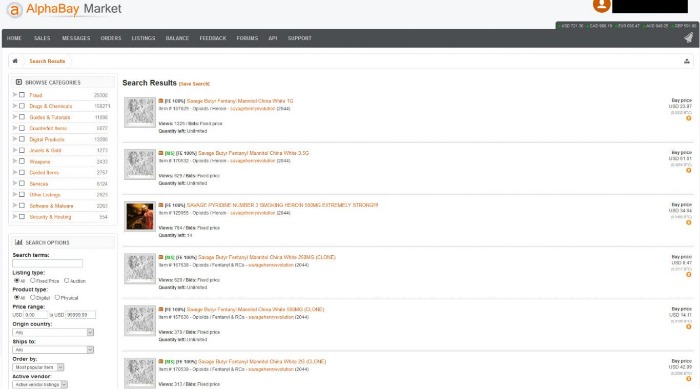
The operational history of the Alphabay Market darknet is a defining chronicle of modern cybercrime, marked by unprecedented scale and a dramatic conclusion. Launched in 2014, it rapidly ascended to become the largest online black market of its era, a sprawling digital bazaar for narcotics, stolen data, and illicit services. Its reign, however, was abruptly terminated in July 2017 during a sophisticated international law enforcement operation that resulted in the seizure of its servers and the subsequent death of its founder. The saga of the Alphabay Market darknet serves as a stark lesson on the fleeting nature of illicit empires and the global reach of justice, with its infrastructure and model later inspiring a host of successor sites that learned from its operational security failures, such as those found on similar underground platforms.
Initial Launch and Growth (2014-2015)
AlphaBay Market emerged in late 2014, entering a darknet ecosystem still reeling from the law enforcement takedowns of Silk Road 2.0 and other major markets. Founded by a young administrator known as Alpha02 and a partner, DeSnake, the platform was designed from its inception to be a more resilient and professional operation. It sought to capitalize on the vacuum left by its predecessors by offering a wider array of goods, a more robust technical infrastructure, and a user experience that mirrored legitimate e-commerce sites. The market quickly gained traction by attracting displaced vendors and users who were seeking a new, stable platform for their activities, establishing itself as a serious contender in a volatile landscape.
The market’s growth throughout 2015 was explosive and unprecedented. Its adoption of bitcoin as the primary currency of exchange facilitated this rapid expansion, enabling seamless and pseudonymous transactions on a global scale. AlphaBay aggressively added support for a vast range of product listings, far beyond the narcotics that dominated other sites, including fraudulent documents, stolen data, and malware. This diversification, combined with features like multisignature escrow and a built-in forum for community support, created a one-stop-shop atmosphere. By the end of 2015, AlphaBay had decisively eclipsed its remaining competitors in terms of listings and user activity, cementing its position as the largest darknet market operating on the internet.
First Shutdown in July 2017
The operational history of the prominent darknet market was marked by a significant and unsettling event in July 2017. On July 4th, users attempting to access the site were met with a complete and unexpected service interruption. The platform, which had become one of the largest of its kind, simply vanished from the network, leaving its vast user base in a state of confusion and panic.
Initial speculation among users and observers pointed towards a possible exit scam orchestrated by the site’s administrators, a common but devastating occurrence in the ecosystem where operators abscond with users’ funds. However, a different and more serious reality soon emerged. Law enforcement agencies from multiple countries, including the United States, Canada, and Thailand, revealed that the shutdown was the direct result of a coordinated international takedown operation. The site’s alleged founder had been arrested, and the servers hosting the marketplace had been seized, effectively ending its reign as a dominant force on the darknet market scene.

Relaunch in August 2021
The original AlphaBay market, once a dominant force in the darknet ecosystem, was shuttered in July 2017 following a massive international law enforcement operation. Its founder was apprehended, and the platform’s infrastructure was seized, leaving a significant void in the underground economy. The takedown was hailed as a major victory for authorities, demonstrating the increasing risks associated with operating such illicit enterprises.
After years of dormancy, a new entity claiming to be the rightful heir to the AlphaBay name announced a stunning return in August 2021. This resurrection was orchestrated by an individual operating under the pseudonym deSnake, who asserted they were a former security administrator and partner of the original founder. The new AlphaBay sought to reestablish trust by leveraging its historical brand recognition while promising enhanced security protocols and a more resilient infrastructure to avoid the fate of its predecessor.
The operational history of the reborn market has been turbulent, mirroring the volatility of the darknet landscape. While it successfully attracted a user base from the outset, its return was met with intense skepticism from security researchers and community members concerned about potential exit scams or law enforcement infiltration. The platform has faced significant challenges, including persistent distributed denial-of-service (DDoS) attacks and intense competition from other markets, which have tested its stability and the administration’s ability to maintain consistent service.
Final De Facto Shutdown in February 2023
The operational history of AlphaBay Market, a dominant force in the darknet commerce ecosystem, concluded not with its initial seizure in 2017 but with a final, de facto shutdown in February 2023. This second and definitive end came after a prolonged and controversial period of downtime that began in late 2022, eroding the last vestiges of user trust. Despite persistent rumors and the enigmatic presence of its alleged founder, deSnake, promising a triumphant return, the platform failed to restore critical services, including its escrow system and forum. The prolonged silence and inability to resolve fundamental operational issues signaled to its user base that the project was no longer viable, leading to its abandonment.
This final closure in February 2023 effectively marked the terminus of the AlphaBay brand. The market’s inability to recover from its technical failures and security concerns demonstrated the immense challenges of resurrecting a compromised darknet operation, even under the guidance of a figure as mythologized as deSnake. The event served as a stark reminder of the inherent volatility and transient nature of such platforms, where promises of stability are often eclipsed by the realities of law enforcement pressure, internal disputes, and critical infrastructure failure. The market faded not with a dramatic takedown, but with a whimper of neglect and unresolved problems.
Founder and Leadership
The enigmatic leadership behind the Alphabay Market darknet operation remains a subject of intense speculation and law enforcement scrutiny. Often operating under the veil of sophisticated anonymity, the founder, known by the pseudonym Alpha02, established one of the most formidable digital black markets before its eventual seizure. The architecture and operational security protocols of the Alphabay Market darknet platform were considered advanced for their time, setting a precedent for subsequent illicit online marketplaces. For further insights into the technical infrastructure that supports such hidden services, one might explore resources available on the network security portal.
Alexandre Cazes (Original Founder)
Alexandre Cazes, operating under the online pseudonym Alpha02, was the original founder and architect of the notorious Alphabay Market. His leadership was not one of public charisma but of technical proficiency and ruthless business acumen, overseeing the market’s rapid ascent to become the largest darknet market of its era. Cazes built a sophisticated digital empire that facilitated the trade of illicit goods on an unprecedented scale, amassing a significant personal fortune in the process while maintaining a carefully constructed facade of a legitimate tech entrepreneur.
The operational security failures of its leader ultimately proved to be the market’s undoing. A simple operational mistake, the use of a personal email address in the header of a welcome email for the Alphabay Market platform, provided a critical lead for law enforcement agencies. This error, coupled with the meticulous tracing of cryptocurrency transactions and other digital footprints, led to the identification and arrest of Alexandre Cazes in Thailand in July 2017, an event that immediately preceded the seizure and shutdown of the entire marketplace.
Cazes’s tenure as leader ended abruptly with his incarceration. Facing extradition to the United States to answer for his role in creating and managing a massive criminal enterprise, he was found dead in his Thai jail cell just over a week after his arrest, an apparent suicide. His death marked the definitive end of an era, closing the final chapter on the original Alphabay Market and serving as a stark reminder of the high-stakes dangers inherent in the world of high-level darknet commerce.
DeSnake (Security Administrator and Relaunch Lead)
The enigmatic figure known as DeSnake emerged as a pivotal force behind the resurrection of the infamous darknet marketplace, AlphaBay. Following the dramatic seizure of the original platform by law enforcement in 2017 and the subsequent death of its founder, Alexandre Cazes, the project was presumed to be permanently defunct. However, years later, DeSnake, identifying as the original Security Administrator, initiated a meticulous and highly publicized effort to relaunch the marketplace, asserting control over critical infrastructure and old escrow funds to legitimize his claim.
DeSnake’s leadership philosophy is fundamentally rooted in an almost fanatical dedication to operational security, a lesson hard-learned from the catastrophic failures that doomed the first iteration. His public communications are filled with technical jargon and elaborate explanations of the new platform’s security measures, including a mandatory PGP-based login system and multisignature escrow transactions. This focus positions him not as a flamboyant entrepreneur but as a meticulous administrator whose primary product is trust through superior security, a crucial currency in the darknet economy. The platform’s official access point remains its designated onion link, a necessary gateway for any user seeking entry.
Under DeSnake’s stewardship, the reborn AlphaBay market aims to recapture its former stature by prioritizing stability and vendor reliability over rapid expansion. His leadership style is direct and uncompromising, often outlining strict rules for vendors and users alike to maintain order and minimize external attention. This calculated, security-first approach defines the new era of AlphaBay, distinguishing it from its predecessor and shaping its ongoing narrative within the darknet’s volatile landscape.
Market Scale and User Base
The Alphabay Market darknet emerged as a dominant force within the clandestine e-commerce landscape, establishing a formidable market scale that dwarfed many of its contemporaries. Its sprawling digital infrastructure supported a massive and diverse user base, attracting countless vendors and buyers seeking to operate outside the bounds of conventional regulation. The sheer volume of transactions and listings on the Alphabay Market darknet platform was a direct testament to its widespread adoption and the significant economic engine it represented, rivaling even the scale of legitimate online marketplaces. For those seeking alternative access points, some users navigated to the abacus forum for related discussions and resources.
Early User Growth
The darknet market ecosystem is characterized by a unique and volatile economic model, where scale is intrinsically linked to perceived security, reliability, and the diversity of illicit goods and services offered. A market’s user base is not a publicly verifiable metric but is instead gauged through proxy indicators such as vendor listings, forum activity, and law enforcement seizure affidavits. In its prime, the Alphabay Market rapidly ascended to become a dominant force, demonstrating a classic pattern of early user growth fueled by the void left by preceding market closures. This growth was not organic in a traditional sense but was a rapid migration of both vendors and buyers seeking a new, more secure platform with advanced features, effectively creating a network effect that solidified its position at the top of the hierarchy almost overnight.
This initial surge is critical for any new platform’s survival. Early adopters, consisting primarily of established vendors from defunct markets, provide the initial inventory that attracts a buyer base. Their presence signals legitimacy and stability to the wider community. The scale achieved by a market like Alphabay Market directly influences its resilience; a larger economic engine can fund better operational security, development, and customer support systems, which in turn attracts more users. However, this very scale also makes it a high-priority target for international law enforcement agencies, creating a paradoxical relationship where success breeds increased scrutiny and ultimately contributes to its inevitable operational risk and potential downfall.
Peak Size in 2017
The scale and user base of the AlphaBay market represented a significant evolution in the darknet ecosystem, establishing it as a dominant force following the closure of its predecessors. At its operational peak in 2017, the platform facilitated a massive volume of transactions, hosting over 200,000 product listings and serving more than 400,000 users. This immense activity solidified its position as the largest darknet market of its time, dwarfing many competitors and capturing a substantial share of the online illicit economy.
This period of unprecedented growth was largely orchestrated under the leadership of its founder, deSnake, whose operational security and business acumen were instrumental in scaling the platform to such heights. The market’s infrastructure was designed to handle this significant load, supporting a vibrant and diverse community of vendors and buyers engaged in a wide array of goods and services. The sheer volume of daily transactions underscored a profound shift in the digital underground, demonstrating a maturation and professionalization of these illicit platforms that had not been seen before.
The abrupt end of this expansion came with the market’s seizure by law enforcement agencies in July 2017. This event not only removed a critical hub from the darknet but also created a massive vacuum in the market landscape, dispersing its vast user base to other emerging platforms. The peak size of AlphaBay in 2017 therefore stands as a historical benchmark, a testament to the fleeting nature of such empires and the intense, ongoing cat-and-mouse game between digital underground entrepreneurs and global authorities.
Seller and Listing Statistics
The scale of the darknet’s commercial ecosystem is immense, with the Alphabay marketplace historically representing one of its most significant hubs in terms of both economic activity and user base. Before its seizure, it commanded a dominant position, facilitating transactions for a vast global audience of buyers and sellers. Its user base was estimated to be in the hundreds of thousands, if not millions, of registered accounts, demonstrating a significant demand for the goods and services offered outside the confines of traditional e-commerce.
- Market Scale: At its peak, Alphabay was frequently reported to host tens of thousands of individual product listings daily, with the total value of escrowed transactions amounting to hundreds of millions of dollars.
- Seller Base: The platform attracted a large and diverse array of vendors, ranging from small-scale individual operators to highly organized vending groups, collectively numbering in the thousands.
- Listing Statistics: The variety of goods was extensive, with categories spanning digital goods, fraud-related items, counterfeit currency, and illicit substances, which consistently formed the largest category by volume and value.
Features and Services
Navigating the vast ecosystem of the Alphabay Market darknet reveals a platform built on a comprehensive suite of features designed for both security and convenience. From its robust multi-signature escrow system to its integrated anonymous messaging, the Alphabay Market darknet environment prioritizes user protection and transactional integrity. A key aspect of its service offering includes access to specialized resources, such as those found on the abacus resource portal, which provides essential tools for safe navigation. This focus on a secure and feature-rich marketplace has cemented its position as a dominant force in this obscure digital economy.
Digital Contracts and Escrow System
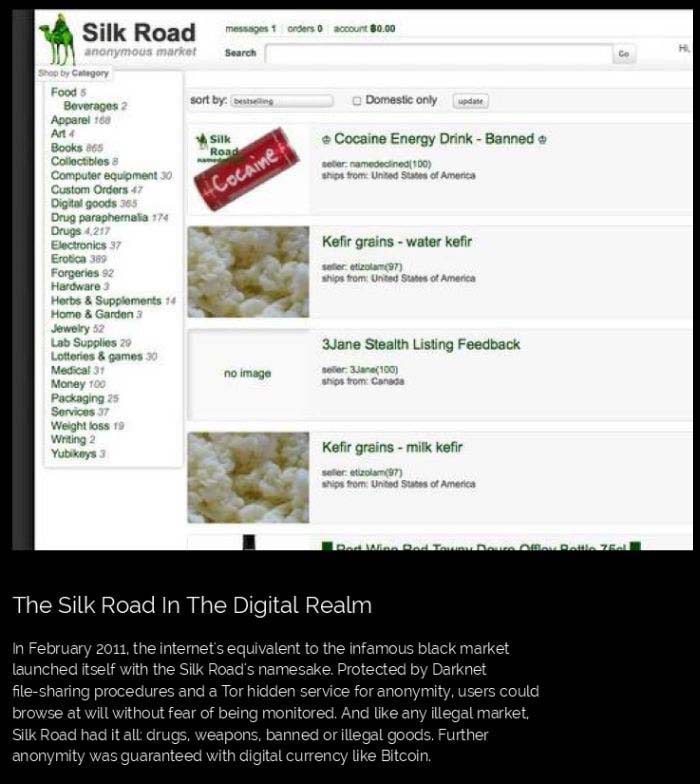
Alphabay Market established itself as a dominant force by offering a comprehensive suite of features and services designed to foster trust and efficiency in an otherwise high-risk environment. The platform operated on a model similar to mainstream e-commerce sites, providing users with advanced search filters, vendor storefronts, detailed product listings with images, and a robust feedback and rating system. This structure allowed buyers to make informed decisions based on a vendor’s historical performance and reputation, creating a self-policing community that rewarded reliable sellers and ostracized scammers.
A cornerstone of its operation was the mandatory escrow system. For the vast majority of transactions, funds deposited by a buyer were held in escrow by the market’s administrators until the order was finalized. This mechanism protected buyers from vendors who might not ship products and protected vendors from fraudulent chargebacks. Disputes could be opened if an order was not received or was significantly not as described, with market moderators stepping in to review evidence from both parties before releasing the escrowed funds to the appropriate party. This system was critical for mitigating the inherent risks of anonymous trade.
While the platform supported various cryptocurrencies, it heavily promoted the use of Monero for its superior privacy features. This emphasis on transactional anonymity extended to its communication systems, which often included encrypted private messaging to facilitate discussions between buyers and vendors without leaving the platform’s ecosystem. The combination of digital contracts, a enforced escrow service, and a focus on privacy-centric currencies defined the market’s attempt to create a stable and secure underground trading post.
Cryptocurrency Support (Bitcoin, Monero, Ethereum)
Alphabay Market established itself as a prominent platform on the darknet, offering a wide array of features and services designed to facilitate anonymous transactions. Its core functionality was built around a sophisticated escrow system, multi-signature options for added security, and a robust feedback and rating mechanism for vendors. This structure was intended to create a layer of trust and accountability within an otherwise unregulated environment, though users were constantly warned to be vigilant against sophisticated fraud schemes that occasionally bypassed these safeguards.
- Bitcoin (BTC) and Ethereum (ETH) were the primary cryptocurrencies supported for most transactions, prized for their liquidity and widespread adoption.
- Monero (XMR) was also a critical option, heavily promoted and often incentivized due to its superior privacy features and enhanced anonymity compared to the more transparent Bitcoin blockchain.
- The platform’s integrated wallet system managed deposits and withdrawals, while its escrow service held funds until buyers confirmed satisfactory receipt of their goods.
- A detailed vendor rating system and dedicated dispute resolution center were essential services for mitigating risks and resolving conflicts between buyers and sellers.
AlphaGuard and New Security Features (2021 Relaunch)
AlphaBay’s return in 2021 was marked by a significant overhaul of its operational security and user-facing features, aiming to re-establish trust and dominance in the marketplace ecosystem. The platform’s infrastructure was rebuilt with a pronounced emphasis on resilience against takedowns and infiltration, learning from the law enforcement actions that led to its initial closure. This new iteration prioritized stability and security above all else, seeking to provide a more reliable environment for its users.
Central to this relaunch was the introduction of AlphaGuard, an advanced escrow service designed to protect both buyers and vendors during transactions. This system acts as a trusted third party, holding the buyer’s cryptocurrency in secure deposit until the order is fulfilled and confirmed. Only upon the buyer’s final approval are the funds released to the vendor, significantly reducing the risk of fraud and cybersecurity threats associated with direct deals. This feature was a direct response to the need for greater transactional security within the darknet economy.
The 2021 version also debuted several new security features to enhance user anonymity and data protection. These included mandatory PGP encryption for all communications, more robust two-factor authentication (2FA) options, and improved server-side operational security to thwart potential attacks. The administration strongly advocated for these tools, understanding that the collective security of the marketplace depended on the vigilance of each individual user. These measures were implemented to create a more fortified trading platform resistant to external compromises.
I2P Network Support
The AlphaBay darknet market leverages the Invisible Internet Project (I2P) network as a core component of its operational security, providing users with an alternative and often more resilient method of access. This support for the I2P ecosystem offers a distinct routing layer that is separate from the more common Tor network, diversifying the technical landscape and providing redundancy should one network face widespread issues or targeted blocking. By integrating I2P, the platform aims to enhance user anonymity and complicate external efforts to disrupt its services, appealing to a user base that prioritizes privacy.
- Further information on the operation against the Hansa Market can be obtained from Dutch authorities.
- Almost as soon as AlphaBay launched, law enforcement agencies began investigating and infiltrating it, hoping to track down its founders and bring them to justice.
- The closure of AlphaBay serves as a stark reminder of the precarious nature of the deep web and the inherent risks of participating in illicit markets.
- AlphaBay boasted hundreds of thousands of users, raked in millions of dollars a year in revenue, and became known as the successor to the notorious, now-shuttered Silk Road.
- The article concludes with key takeaways from the AlphaBay shutdown and reflections on the lessons learned, pointing to the ongoing challenges and considerations for law enforcement and users navigating the dark web.
Key features of this support include the availability of a dedicated I2P eepsite address, which functions similarly to an onion service but within the I2P network’s architecture. This ensures that traffic related to the marketplace for various goods, including illicit substances, is encapsulated within I2P’s garlic routing system, which encrypts messages multiple times. The network’s design focuses on strong anonymity by making it difficult to determine who is communicating with whom, a critical feature for any platform where the sale of drugs and other controlled items is a primary activity. This multi-network approach is a significant service feature for maintaining uptime and access.
Security Incidents and Data Breaches
Security incidents and data breaches represent a significant threat to digital operations, exposing sensitive information to unauthorized parties. The notorious Alphabay Market darknet platform was a prime example, where a massive law enforcement operation led to its seizure and the subsequent exposure of its vast user database. This event highlighted the inherent risks of operating in unregulated cyber environments, demonstrating that even the most seemingly secure anonymous networks are vulnerable to infiltration. The fallout from the Alphabay Market darknet collapse sent shockwaves through the criminal underworld, serving as a stark reminder that no system is entirely immune to compromise. For those seeking to understand the technical infrastructure that supports such networks, resources can be found on the hidden service portal.
API Compromises (2016 and 2017)
The operational security of the AlphaBay Market, a prominent darknet marketplace, was critically undermined by a series of severe security incidents and data breaches, primarily stemming from API compromises. These vulnerabilities exposed the fundamental weakness in its infrastructure, leading to catastrophic failures in user anonymity and market integrity.
In 2016, a significant flaw in the market’s application programming interface was exploited. This breach allowed unauthorized access to a vast database containing highly sensitive user information, including millions of private messages between buyers and vendors. The exposed data revealed transaction details, shipping addresses, and other personally identifiable information, shattering the perceived anonymity of its users and demonstrating a profound cybersecurity failure.
The following year, in 2017, a separate and equally devastating API vulnerability was discovered. This flaw permitted anyone to query the API without authentication, retrieving real-time data on every transaction, vendor listing, and user feedback. The live data stream effectively laid the entire market’s activity bare to law enforcement and researchers, providing an unprecedented and real-time view of its operations. This critical compromise was a primary factor leading to the subsequent law enforcement takedown of the platform.
Operational Security Errors Leading to Downfall

The downfall of AlphaBay Market, once the largest darknet marketplace, stands as a stark lesson in how catastrophic operational security failures can lead to total collapse. Despite generating hundreds of millions in revenue, the platform’s infrastructure was riddled with critical mistakes that ultimately provided law enforcement with a clear path to its administrators. The most glaring error was the personal email address used by its founder, Alexandre Cazes, which was directly linked to the marketplace’s early operational announcements and stored in plaintext on the server. This single oversight created a brittle thread that, when pulled, unraveled the entire enterprise.
Beyond the email misstep, Cazes, operating under the alias deSnake, failed to compartmentalize his immense wealth and digital footprint. He brazenly registered luxury cars and property in his own name, using funds traceable to his cryptocurrency transactions. Furthermore, the server itself was a treasure trove of unencrypted evidence, containing personal documents, passwords, and even a running list of his assets. This complete lack of operational discipline transformed a supposedly anonymous digital fortress into a glass house, with every move visible to investigators.
The pursuit of convenience over security proved to be a fatal flaw. Cazes’ reliance on personal identifiers and his failure to employ robust encryption for sensitive data directly contravened the core principles of darknet operations. The subsequent seizure of the marketplace’s servers did not require sophisticated decryption; instead, it revealed a trove of readily available information. This case underscores a fundamental truth in high-risk digital environments: technological anonymity is entirely nullified by human error. A single weak link, especially one at the very top, can compromise an entire network, leading to its instantaneous and irreversible demise.
Notable Listings and Criminal Activity
The notorious Alphabay Market darknet platform was once a titan of the underground economy, its digital shelves stocked with a vast array of notable listings for everything from illicit substances to stolen data. While law enforcement ultimately dismantled this specific operation, the ecosystem it inhabited persists. The closure of the original Alphabay Market darknet did little to eradicate the underlying criminal activity, which has since migrated to newer, more resilient platforms that continue to facilitate a global black market. For those navigating these treacherous waters, resources like the vendor discussion forum remain critical for establishing trust and verifying reputations amidst the anonymity.
Sale of Stolen Uber Accounts

The Alphabay Market darknet forum hosts a wide array of notable listings, with a significant and troubling segment dedicated to the sale of compromised Uber accounts. These listings promise access to rider and driver accounts, often including payment details and ride histories, sold for a fraction of the account’s balance or for the purpose of committing fraud. This illegal trade thrives on the market’s infrastructure, which is designed to facilitate anonymous transactions between parties who would otherwise not connect.
Criminal activity on the platform is both sophisticated and brazen, with vendors offering stolen credentials in bulk and providing guarantees on their validity. The entire process, from initial credential harvesting to the final sale, is a streamlined criminal enterprise. Purchasers use these accounts for free rides, to exploit referral bonuses, or to launder money through the platform’s payment system. The market’s escrow service and vendor rating system lend a perverse sense of legitimacy to these clearly illicit transactions, encouraging further criminal behavior.
The financial mechanics of these sales are almost exclusively cryptocurrency-based, with a strong preference for Monero due to its enhanced privacy features compared to other cryptocurrencies. This preference for Monero underscores the participants’ desire for complete anonymity, making the tracking of these transactions exceptionally difficult for authorities. The persistent availability of these stolen Uber accounts highlights a significant cybersecurity challenge and represents a direct monetization of personal data theft, all facilitated within the hidden layers of the darknet.
Sale of TalkTalk Hack Data
Notable listings on the darknet market frequently included highly sensitive datasets, with the sale of information from the TalkTalk hack serving as a prime example. This particular breach compromised the personal details of over 150,000 customers, and fragments of this data were subsequently offered for sale to the highest bidder. The brazen advertisement of such a high-profile corporate hack underscored the market’s role as a central hub for trading in stolen digital information, attracting significant attention from cybersecurity firms and agencies worldwide.
The criminal activity surrounding the sale of this data was not merely a transaction but a catalyst for further fraud, including targeted phishing campaigns and identity theft. The availability of such comprehensive records, often including names, addresses, and financial particulars, provided other criminals with the raw materials needed for elaborate scams. This ecosystem thrived on the anonymity provided by the network, creating a persistent challenge for law enforcement efforts aimed at tracking the flow of illicit goods and identifying the perpetrators behind these sales.
Ultimately, the publicity from the TalkTalk data sale highlighted a critical vulnerability in corporate data security and the aggressive efficiency of darknet markets in monetizing digital theft. The persistent presence of such notable listings demonstrated the ongoing demand for personal information and the difficulties in disrupting these underground economies, despite concerted international operations targeting the infrastructure that supports them.
Sale of “School Email Bomb Threat Service”
The notorious Alphabay Market, a dominant force in the darknet ecosystem, was infamous for its vast array of illegal commodities and services. Among its most disturbing listings were those offering criminal acts for hire, including hacking, fraud, and even physical violence. This brazen marketplace facilitated transactions that directly impacted public safety and security, operating with a chilling degree of openness on the encrypted dark web.
A particularly egregious example of such criminal activity was the sale of a School Email Bomb Threat Service. Vendors on the platform openly advertised the ability to send mass threatening emails to school districts, causing widespread panic, costly evacuations, and the diversion of critical law enforcement resources. This service epitomized the market’s role in enabling low-effort, high-impact harassment and terrorism, all for a financial fee.
The existence of these listings highlights the severe real-world consequences of illicit online markets. While operating hidden from traditional search engines, the activities on Alphabay had direct and dangerous implications for society, demonstrating that the anonymity of the darknet often serves as a shield for the most harmful and predatory forms of criminal entrepreneurship.
Law Enforcement Action
Law enforcement action against the darknet’s most prolific marketplaces represents a critical and ongoing global effort to combat cybercrime. The takedown of the notorious Alphabay Market darknet platform in 2017 served as a watershed moment, demonstrating the ability of international agencies to infiltrate and dismantle these hidden ecosystems. Such operations require meticulous coordination and advanced technical expertise to trace illicit transactions and identify key operators who believe they are anonymous. While the closure of a major hub like the Alphabay Market darknet creates significant disruption, the fluid nature of the dark web often sees vendors and users migrate to new platforms, ensuring that this alternative marketplace remains a persistent challenge for authorities worldwide.
Operation Bayonet
Operation Bayonet was a landmark multinational law enforcement action that targeted and dismantled the AlphaBay Market, one of the largest darknet marketplaces in existence. The operation represented a significant victory for international agencies, including the FBI, DEA, and Europol, who coordinated to seize the market’s infrastructure, arrest its alleged administrator, and disrupt a massive underground economy. The takedown demonstrated a sophisticated understanding of the darknet ecosystem and sent a powerful message to other illicit operators.
The investigation was complex, tracing transactions across the globe and culminating in the seizure of the server that hosted the marketplace. This action prevented vendors and customers from accessing their accounts and the significant cryptocurrency funds held within the market’s escrow system. The operation’s success was not limited to the digital realm; it resulted in numerous physical arrests and the confiscation of assets worldwide.
- The identification and arrest of Alexandre Cazes, the alleged administrator known as “Alpha02,” in Thailand.
- The subsequent seizure of millions of dollars in Bitcoin, Ethereum, Monero, and cash, as well as luxury assets including sports cars and real estate.
- The coordinated takedown of the Hansa Market, another major darknet platform, which was covertly operated by Dutch police to gather intelligence on its users.
- The issuance of thousands of leads to law enforcement agencies across the world, enabling follow-up investigations and arrests of vendors and buyers.
The fallout from Operation Bayonet caused immediate panic and a massive migration of users to other markets, while also forcing a long-term evolution in how darknet markets operate, with many implementing stricter security protocols. The operation remains a textbook example of global cooperation in combating cybercrime and the illicit use of encrypted networks.
International Cooperation
The takedown of the AlphaBay market represented a watershed moment for international law enforcement action, demonstrating an unprecedented level of cooperation across multiple continents. Agencies including the FBI, DEA, and RCMP worked in concert with Europol and authorities in Thailand, the Netherlands, Lithuania, and the United Kingdom. This global task force effectively dismantled one of the largest online criminal enterprises, which had facilitated the trade of vast quantities of illegal drugs, stolen data, and other illicit goods. The operation highlighted a shift towards a unified, borderless approach to combating cybercrime, where intelligence sharing and synchronized tactical strikes are paramount to success.
This collaborative effort was not limited to the simple seizure of server infrastructure but extended to the meticulous pursuit of the individuals behind the operation. The subsequent legal actions, including prosecutions and extraditions, were a direct result of shared evidence and joint investigative teams. The AlphaBay case set a powerful precedent, proving that the perceived anonymity of the darknet is increasingly vulnerable to a determined and coordinated international response. It sent a clear message that such platforms are a high-priority target for global law enforcement.
The enduring impact of this operation is a framework for future action. The protocols established and the channels of communication opened during the AlphaBay investigation continue to be utilized in ongoing efforts against other darknet markets. This model of international cooperation remains the most effective weapon in the complex and evolving battle against transnational cybercrime, ensuring that no single jurisdiction becomes a safe haven for those who seek to operate beyond the reach of the law.
Relaunch Policies and Changes (2021)
The Alphabay Market darknet platform underwent a significant transformation in 2021, marked by a comprehensive series of policy updates and operational changes following its highly publicized relaunch. These modifications were implemented to enhance security, rebuild vendor and buyer trust, and address the evolving landscape of darknet commerce. Key adjustments included revised escrow procedures, updated deposit protocols accessible via secure deposit portal, and stricter vendor verification to mitigate the risks of exit scams. This period of restructuring was critical for the Alphabay Market darknet entity to re-establish its presence and assert a renewed commitment to its user base amidst intense competition.
Newly Prohibited Items
The 2021 relaunch of a prominent darknet marketplace was accompanied by a significant revision of its operational policies, specifically targeting the types of goods permitted for sale. This strategic overhaul was not merely a technical reboot but a concerted effort to distance the platform from its most volatile and legally perilous aspects. The administration implemented stricter vendor verification processes and updated its terms of service to reflect a new, more cautious era of operation, aiming to enhance longevity and reduce external pressure from international law enforcement agencies.
Central to these changes was a decisive expansion of the list of newly prohibited items. Transactions involving firearms, ammunition, explosives, and poisons were explicitly banned, marking a clear departure from the anything-goes ethos of earlier darknet markets. Furthermore, the sale of stolen personal data, counterfeit documents, and access to compromised financial accounts was also forbidden. These prohibitions were strictly enforced, with vendor accounts facing immediate suspension for any listings that violated the updated code of conduct, fundamentally altering the market’s commercial landscape.
The financial mechanics of the platform, however, remained anchored in cryptocurrency, with bitcoin continuing to serve as the primary medium of exchange for all transactions. This reliance on decentralized currency was essential for maintaining the anonymity of both buyers and sellers, facilitating a layer of financial obfuscation critical to the ecosystem. The market’s escrow system, funded with cryptocurrency, was also updated to provide more robust protections against scams, although the inherent risks of such environments persisted. These policy shifts collectively signaled a maturation of the darknet marketplace model, prioritizing sustainability over the unfettered trade of all goods.
Geopolitical Discussion Bans
The 2021 relaunch of the prominent darknet market was accompanied by a significant shift in its operational policies, most notably the implementation of a strict ban on all forms of geopolitical discussion within its forums and associated communication channels. This decisive move was framed by the administration as a necessary measure to reduce operational risk, maintain a low profile, and focus the platform’s activities exclusively on commerce. The policy explicitly prohibited debates, news, and arguments concerning international conflicts, state-level politics, and ideological movements, with severe penalties including account suspension for any violations. This created a starkly apolitical environment where the primary, and often sole, topic of conversation was the logistics of buying and selling illicit goods, including a vast array of drugs.
The changes introduced during this period were comprehensive and aimed at streamlining the marketplace’s functions while enhancing security for its user base.
- A complete restructuring of forum rules to eliminate any political discourse, forcing all communication to be directly transaction-related.
- The introduction of more robust escrow and multisignature payment systems to mitigate the risk of financial loss for both buyers and vendors.
- A renewed and strong emphasis on operational security (OpSec) guides, mandating the use of encryption for all private messages.
- A purge of vendor accounts that failed to meet new, stricter verification standards, aiming to reduce scams and improve overall reliability.
Exclusive Monero Wallet Policy
The 2021 relaunch of the market introduced a significant shift in its operational security and financial policies. A cornerstone of this new strategy was the implementation of an exclusive Monero wallet policy, which mandated the use of the privacy-centric cryptocurrency for all transactions. This move was a direct response to the increasing traceability of the bitcoin blockchain by law enforcement agencies, aiming to obfuscate financial flows and protect the anonymity of both vendors and buyers.
This policy change was absolute; the platform removed all legacy bitcoin deposit addresses and disabled the option to fund accounts with anything other than Monero. The administration argued that this exclusivity was a necessary evolution to ensure the market’s longevity and user safety, forcing a migration within its user base to adopt the more anonymous coin. This decision was framed not as a suggestion but as a critical security upgrade, fundamentally altering the economic layer upon which the marketplace operated.
The enforcement of this wallet policy was a defining characteristic of the rebranded platform, signaling a hardened stance against perceived vulnerabilities. While this alienated some users accustomed to transacting in bitcoin, it established a new standard for darknet markets, prioritizing cryptographic privacy over the broader acceptance of a more established cryptocurrency. This calculated risk underscored the administration’s commitment to adapting its infrastructure in the face of evolving forensic techniques.
Final Offline Event
As the digital shadows lengthen, the Final Offline Event for the notorious alphabay market darknet platform marks a definitive end to a significant chapter in the ecosystem’s history. This closure, shrouded in the same mystery that defined its operations, leaves a void for its former user base and signals a period of uncertainty and migration. For those seeking continuity, a new chapter begins at the secure financial hub, a potential successor aiming to fill the vacuum left by the original alphabay market darknet.
Canary Failure and Lockdown
The Final Offline Event for the infamous Alphabay Market was not a planned closure but a catastrophic seizure by law enforcement agencies. This operation, culminating in July 2017, marked a significant victory for authorities against one of the largest online contraband platforms. The takedown was the result of a meticulous international investigation that successfully identified the site’s administrator, leading to his arrest and the shuttering of the entire darknet market infrastructure. For its vast user base, the event was a sudden and permanent blackout, resulting in the immediate loss of funds and the collapse of a major hub for illicit commerce.
Prior to this final collapse, there were no publicly acknowledged Canary Failure warnings specific to the Alphabay seizure. In darknet security, a canary is a method used by operators to signal they are operating freely; its disappearance often indicates operator compromise. While the administrator’s arrest was swift, the absence of a verifiable canary system meant users had no advanced, cryptographically signed warning of the impending doom. The silence from the top was absolute, leaving the community unaware that the platform was already under the control of its adversaries until it was far too late to react.
The subsequent Lockdown across the broader darknet ecosystem was immediate and profound. The disappearance of such a dominant player created a massive power vacuum, sending shockwaves through the entire community. Competing markets and their users entered a state of high alert, with many platforms temporarily going offline to bolster security or assess the threat. This period was characterized by extreme paranoia, rampant speculation, and a mass migration of vendors and buyers seeking new venues, fundamentally reshaping the landscape of underground digital marketplaces for years to come.
Disappearance of DeSnake
The shuttering of AlphaBay, one of the largest darknet markets, was not a quiet affair. Its disappearance was marked by a final, cryptic offline event that left its user base in a state of confusion and speculation. The site simply vanished, replaced by error messages and a digital void where a bustling black market once operated. This sudden absence triggered a wave of uncertainty, with theories ranging from an elaborate exit scam by the administrators to a coordinated international law enforcement takedown.
Central to the mystery was the fate of the market’s founder and chief administrator, the enigmatic figure known as deSnake. His sudden silence was deafening. For a leader who cultivated an image of meticulous operational security and near-invincibility, this complete disappearance was entirely out of character. The community, accustomed to his pronouncements and detailed posts on security, was left with only questions. The vacuum of information fueled intense debate over whether this was a strategic retreat, a catastrophic failure, or a successful capture.
The legacy of this event is a case study in the inherent fragility of trust within the darknet ecosystem. The final offline event served as a stark reminder that even the most established platforms are vulnerable to both external pressure and internal deceit. It underscored the ultimate truth of these illicit enterprises: every digital kingpin, including one as seemingly untouchable as deSnake, is perpetually one step away from oblivion, either by the hand of an adversary or by their own design.