
Operational History
The operational history of Alphabay Market Net is a defining narrative in the annals of darknet commerce, marked by its unprecedented scale and abrupt, dramatic conclusion. Emerging as a dominant force, the platform facilitated a vast array of illicit transactions, establishing a notorious reputation for both its sophisticated infrastructure and the sheer volume of its user base. Its sudden seizure by international law enforcement agencies in 2017 sent shockwaves through the underground ecosystem, serving as a stark reminder of the inherent volatility and risks associated with such enterprises. The legacy of the Alphabay Market Net shutdown continues to influence the operational security protocols and migration patterns of subsequent markets, including platforms like Abacus, which sought to fill the void it left behind.
Initial Launch and Growth (2014-2017)
The Alphabay Market emerged in late 2014, entering a volatile ecosystem following the high-profile takedowns of other major platforms. Founded by a figure known as “Alpha02” and administrated by “DeSnake,” it was engineered for resilience and scalability from its inception. The platform quickly distinguished itself through a professional interface, a robust escrow system, and a wide array of product listings that extended beyond narcotics to include digital goods, fraud-related items, and counterfeit documents. This commitment to operational security and user experience facilitated rapid adoption, filling the vacuum left by defunct markets.
Its growth throughout 2015 and 2016 was exponential, propelled by its reputation for reliability and the migration of vendors and buyers from less stable competitors. Alphabay implemented features like a built-in support ticket system and a forum to foster community trust, while its integration of cryptocurrencies beyond Bitcoin, such as Monero, appealed to users seeking enhanced anonymity. By early 2017, it had cemented its position as the largest darknet market in operation, hosting hundreds of thousands of listings and facilitating millions of dollars in transactions, effectively setting a new standard for illicit e-commerce on the dark web.
Law Enforcement Shutdown (July 2017)
The operational history of the prominent darknet market was abruptly and conclusively terminated in July 2017. Following a meticulous international investigation dubbed Operation Bayonet, law enforcement agencies successfully seized the market’s servers, leading to its immediate and permanent shutdown. The platform’s administrator, known by the pseudonym Alpha02, was arrested and later found deceased in his Bangkok prison cell, an event officially ruled a suicide. This coordinated action, a joint effort between American, Dutch, and Thai authorities, represented a massive blow to the underground e-commerce ecosystem, demonstrating that the perceived anonymity of such platforms was not absolute.
The shutdown was executed with surgical precision. Simultaneously, the website was replaced with a seizure notice from the FBI and Europol, informing users that the service was under the control of law enforcement. This move not only prevented any further illegal transactions but also served as a stark warning to vendors and customers across other similar platforms. The loss of AlphaBay, which at the time was the largest market of its kind, created a significant power vacuum and sent a shockwave through the entire community, causing widespread paranoia and a migration of users to other emerging sites.
The aftermath of the law enforcement action had lasting repercussions. The takedown highlighted the increasing sophistication and global cooperation of agencies targeting cybercrime. It underscored the significant risks inherent in operating on or patronizing such illicit online marketplaces, where the promise of anonymity could be shattered at any moment. The event permanently altered the landscape of darknet commerce, forcing a period of instability and distrust among its participants while proving that no platform was beyond the reach of international law.
Relaunch by DeSnake (August 2021)
The original iteration of the Alphabay Market was a dominant force in the darknet ecosystem from its inception in 2014 until its sudden and dramatic seizure in July 2017. Its closure, orchestrated by international law enforcement agencies, was a landmark event, resulting in the arrest of its alleged administrator and the shuttering of a platform that had facilitated billions of dollars in illicit transactions. The market remained offline for over four years, with its infrastructure dismantled and its vast user data seized by authorities, leading many to believe it was permanently consigned to history.
In a surprising turn of events, the market was relaunched in August 2021 by an individual or group operating under the moniker DeSnake. This announcement, made on various darknet forums, claimed that the new platform was a direct successor to the original, boasting enhanced security features, including a focus on monero transactions for greater anonymity and a commitment to avoiding the exit scams that had plagued other markets. DeSnake presented cryptographic proof in an attempt to validate their identity as a former high-ranking administrator of the original operation, aiming to leverage the powerful brand recognition and instill a sense of trust and continuity among veteran users.
The operational history of this resurrected entity has been contentious. While it successfully attracted a significant user base drawn by its infamous name, it has also faced intense skepticism. The security community and many users have remained cautious, questioning the true identity and motives of DeSnake and the possibility of the operation being a law enforcement honeypot or an elaborate exit scam in the making. Despite these concerns, the market has persisted, navigating the volatile and competitive landscape of the darknet to re-establish itself as a notable, if controversial, player.
Final Cessation of Operations (February 2023)
The operational history of the market was defined by its resilience in the face of law enforcement pressure and its significant role within the darknet ecosystem. Following its initial seizure in 2017, the platform re-emerged, attempting to reclaim its former stature by leveraging its established brand recognition and a user base loyal to its original bitcoin-first model. This period was marked by intense competition with rival platforms and an ongoing effort to rebuild trust after the catastrophic exit scam associated with its first incarnation.
Final cessation of operations occurred in February 2023. The shutdown was not the result of a public law enforcement takedown but was instead announced by the site’s administrators themselves. They cited an overwhelming and unsustainable level of distributed denial-of-service (DDoS) attacks as the primary reason for their decision. These attacks, which rendered the platform inaccessible for extended periods, crippled its functionality and severely damaged user confidence, making continued operation financially and logistically unviable.
The abrupt departure left many vendor bonds and user balances locked within the platform’s escrow system. The administration’s claim of being forced offline by external attacks was met with widespread skepticism from the community, with many users believing the event was a carefully orchestrated exit scam designed to seize the remaining funds. This final chapter underscored the inherent and permanent risks associated with such illicit enterprises, where operators can vanish at any moment, taking all entrusted capital with them.
Founder and Leadership
The visionary founder and leadership of the Alphabay Market Net platform established a formidable presence within the digital underground, pioneering a model of organized, large-scale e-commerce for illicit goods. Their operational philosophy, built on principles of anonymity and decentralized trust, attracted a vast user base and set a new standard for darknet marketplaces. The enduring legacy of the Alphabay Market Net ecosystem continues to influence subsequent platforms, such as the Ares marketplace, which adopted and refined its foundational marketplace concepts.
Alexandre Cazes (Original Founder)
Alexandre Cazes, known online as Alpha02 and DeSnake, was the original founder and architect of the notorious darknet marketplace, AlphaBay. His leadership was not of a public figure but of a meticulous administrator operating from the shadows, building one of the largest digital black markets the internet had ever seen. Cazes possessed a technical background in computer science and web development, skills he leveraged to create a platform that prioritized security, user experience, and scalability, aiming to surpass the infamous Silk Road.
Under his direction, AlphaBay flourished into a massive criminal enterprise, facilitating the trade of narcotics, stolen data, and malicious software. The entire ecosystem was financially powered by cryptocurrencies, with bitcoin being the primary medium of exchange, allowing for a perceived layer of anonymity for its users and its owner. Cazes’s leadership extended to enforcing vendor rules and maintaining forum discussions, presenting himself as a shrewd and calculating businessman focused on the market’s growth and stability, all while allegedly amassing a significant personal fortune.
The culmination of his leadership arrived not with a business decision, but with his arrest in Thailand in July 2017. A simple operational error, reusing an old email address associated with his early AlphaBay administration, allowed law enforcement to pierce his digital anonymity and directly link the multi-million dollar empire to Alexandre Cazes in his lavish Bangkok home. His reign ended abruptly just days later when he was found dead in his cell, an apparent suicide, marking a definitive and dramatic close to his role as the founder of AlphaBay.
DeSnake (Security Administrator and Relaunch Lead)
The shadow of the original AlphaBay market net looms large over the darknet ecosystem, a cautionary tale of immense scale and catastrophic failure. Its abrupt disappearance, a result of law enforcement’s Operation Bayonet, left a significant power vacuum and a user base clamoring for a return to its former dominance. The figure known as DeSnake emerged from this chaos not as its original creator, but as a pivotal force claiming both stewardship and a direct lineage to the old guard’s operational knowledge. His role was singular and critical: to resurrect the platform with an uncompromising focus on security, learning from the fatal mistakes that led to the takedown of the original operation.
As the self-proclaimed Security Administrator and Relaunch Lead, DeSnake’s leadership philosophy was built entirely upon the principle of impenetrable security. He publicly declared that the new iteration would be immune to the technical and operational vulnerabilities that doomed its predecessor, implementing features like mandatory PGP encryption for all communications and moving away from centralized server infrastructure. His communications were steeped in technical jargon and a clear, if arrogant, confidence, aimed at assuring a skeptical audience that the project was in the hands of a competent professional rather than a mere opportunist. This approach was necessary to rebuild the shattered trust after the original alphabay down event, positioning the reboot as a phoenix rising from the ashes of carelessness.
The entire re-establishment of the AlphaBay market net under DeSnake’s guidance was a testament to a founder-driven vision of resilience. His leadership was not about community building or democratic ideals but about the authoritarian application of a strict security doctrine. Every feature, policy, and public statement was filtered through this lens, creating a platform that was, by design, paranoid and fortified. While the long-term viability of any such enterprise remains perpetually in question, the initial resurgence was a direct result of one individual’s relentless focus on making the platform a harder target, a response engineered from the lessons of a very public and very damaging failure.
Market Size and Scope
Understanding the market size and scope of the darknet economy is crucial for analyzing its impact, with platforms like Alphabay Market Net representing a significant segment of this clandestine trade. The sheer volume of transactions and the diversity of goods and services offered, from digital contraband to illicit substances, illustrate a vast and complex ecosystem. While Alphabay Market Net was a dominant force, its scale is often mirrored by contemporary successors that continue to operate within this expansive and shadowy digital landscape, accessible only through specialized networks like the exclusive vendor portal.
User and Vendor Statistics
The digital underground economy operates on a scale that is notoriously difficult to quantify with precision, yet its market size is undeniably substantial, representing a multi-billion-dollar global enterprise. The scope of goods and services available is vast, extending far beyond illicit substances to include digital exploits, forged documents, and other contraband. This ecosystem thrives within a complex network of hidden forums and transactional platforms that facilitate anonymous exchange, creating a persistent challenge for global law enforcement agencies.
User statistics for these platforms are inherently opaque, built on anonymity and transient identities. Estimates suggest active user bases can reach into the hundreds of thousands for major marketplaces, with a significant portion being repeat customers. Vendor statistics are equally fluid, with successful operators managing high-volume stores that can process thousands of orders, while many smaller vendors operate on a more limited scale. The entire Alphabay Market ecosystem is characterized by its volatility, with vendors and users frequently migrating between platforms following law enforcement actions or exit scams.
The operational model relies on a feedback and escrow system to build trust among anonymous parties, which is critical for sustaining vendor reputation and user confidence. The most significant markets act as massive clearinghouses for illegal commerce, centralizing a huge volume of transactions that were once scattered across countless smaller forums and direct deals, thereby increasing both the market’s efficiency and its visibility to authorities.
Listings and Transaction Volume
The market size and scope of the platform were immense, establishing it as a dominant force within its ecosystem. It operated on a scale that rivaled, and at times surpassed, that of major legitimate e-commerce platforms, catering to a global clientele with a vast array of product categories. Its operational model was designed to facilitate a high volume of anonymous transactions, creating a complex and sprawling digital economy that was largely hidden from conventional view.
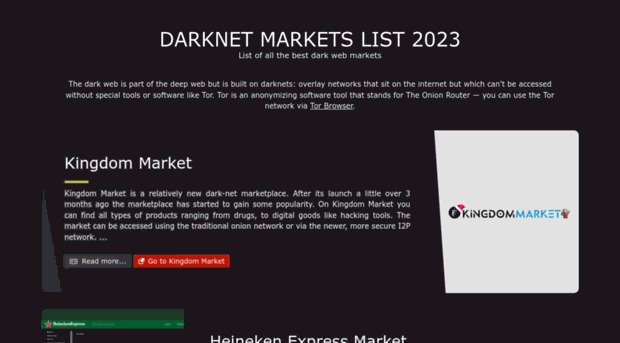
Listings on the platform numbered in the tens of thousands at its peak, offering everything from digital goods and fraud-related services to controlled substances. This immense catalog was a key indicator of its market penetration and the sheer diversity of its illicit economy. The transaction volume, facilitated by the mandatory use of bitcoin and other cryptocurrencies, was correspondingly enormous, with estimates suggesting the platform processed hundreds of millions of dollars in sales, underscoring the significant financial activity it generated.
The sheer volume of listings and the corresponding financial throughput highlight a significant and persistent challenge in monitoring and curbing such large-scale underground operations. The platform’s ability to process such a high number of transactions securely and anonymously was a testament to its sophisticated infrastructure, which was built to leverage the inherent features of blockchain technology to obscure the flow of funds and the identities of its users.
Features and Services
Navigating the vast ecosystem of alphabay market net reveals a comprehensive suite of features designed for user efficiency and security. The platform offers a sophisticated escrow system, multi-signature options, and a robust dispute resolution process to ensure transactional integrity. Beyond its core marketplace functions, alphabay market net provides integrated services such as a secure messaging system and a dedicated forum for community engagement, all accessible through a user-friendly interface. For those seeking alternative avenues, similar resources can be explored at the Ares marketplace portal.
Digital Contracts and Escrow System
The Alphabay Market platform provides a comprehensive suite of features designed to facilitate anonymous e-commerce. Its core functionality is built around a user-friendly interface that includes advanced search filters, a robust vendor feedback and rating system, and private messaging, enabling efficient and discreet transactions between buyers and sellers.
A critical component of its operation is the implementation of a mandatory escrow system. This service acts as a trusted third party, holding a buyer’s cryptocurrency funds securely until the purchased goods are received and confirmed. This mechanism significantly reduces the risk of fraud by ensuring vendors are paid only after fulfilling their part of the agreement, thereby fostering a greater sense of security and trust within the marketplace ecosystem found at alphabay market net.
Furthermore, the concept of digital contracts is integral to every transaction. Each order placed automatically generates a binding agreement between the involved parties, with the terms of the sale, including the item description, price, and shipping details, being immutably recorded. The escrow system then enforces the terms of this contract, automatically releasing funds to the vendor upon successful completion or initiating a dispute resolution process if the buyer reports an issue, ensuring all transactions are conducted fairly.

Cryptocurrency Support (Bitcoin, Monero, Ethereum)
The Alphabay Market net platform provides a comprehensive suite of features designed to facilitate anonymous and secure transactions for its user base. A core component of its service offering is a robust multi-signature escrow system, which protects both buyers and vendors by holding funds until the successful completion of an order. This is complemented by a finalize early option for trusted partners and a sophisticated dispute resolution process handled by impartial moderators. The integrated messaging system ensures encrypted communication, while a detailed vendor review and rating mechanism promotes accountability and helps users make informed purchasing decisions.
In terms of financial operations, the market supports a range of cryptocurrencies to enhance user privacy and transaction flexibility. Bitcoin is offered as the primary and most widely accepted digital currency, providing a balance of broad accessibility and pseudonymous transfer of value. For users requiring the highest possible degree of privacy on the blockchain, Monero is a critical supported asset, as its obfuscated ledger makes transactions virtually untraceable. Furthermore, Ethereum and its associated tokens are also accommodated, catering to a segment of users who prefer its network and smart contract capabilities. This diverse cryptocurrency support is a fundamental feature of the Alphabay Market infrastructure, allowing participants to select the payment method that best aligns with their specific security and anonymity requirements.
AlphaGuard and Relaunch Features
The AlphaBay Market platform provides a comprehensive suite of features designed to facilitate anonymous e-commerce. Its core functionality is built around a sophisticated escrow system, managed by moderators, which ensures that both buyers and vendors can engage in transactions with a high degree of trust and security. The marketplace supports multi-signature options for advanced users seeking an additional layer of protection for their funds. All financial settlements on the platform are conducted exclusively in bitcoin, leveraging the cryptocurrency’s inherent privacy features to maintain user anonymity.
A significant aspect of its service offering is the AlphaGuard program. This optional service acts as a specialized insurance policy for high-value purchases. By paying a small premium on top of their order, buyers can enroll a transaction into AlphaGuard, which provides enhanced oversight and dispute resolution guarantees directly from the market administrators. This feature is particularly valued for transactions where the standard escrow protection is deemed insufficient, offering peace of mind for significant investments.
Following its return to operation, the marketplace introduced several new features to improve user experience and security. These relaunch enhancements often include a more robust and intuitive user interface, improved search and filtering capabilities for navigating product listings, and stronger backend encryption to protect user data. Additional services such as a built-in encrypted messaging system for vendor communication and a detailed feedback and review system are also critical components that contribute to the market’s ecosystem, fostering a community where reliability and reputation are paramount.
I2P and Tor Network Access
Accessing AlphaBay Market Net requires specialized software to navigate the anonymized layers of the dark web, with the I2P and Tor networks being the two primary gateways. These networks provide the essential privacy and security for both the marketplace and its users by obfuscating traffic and hiding the true location of the servers. While Tor remains the more widely recognized and used option, I2P offers an alternative network architecture that some users prefer for its design focused on hidden services. The choice between them often depends on individual preference for speed, reliability, and the specific setup of one’s anonymity tools.
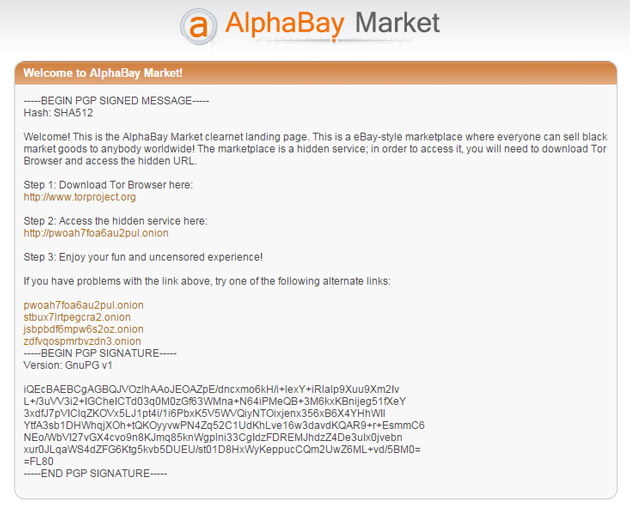
The core features and services of the platform are designed to operate seamlessly across these networks, providing a familiar e-commerce experience within a highly secure environment. The marketplace functions through a sophisticated escrow system, which holds a buyer’s cryptocurrency until the goods are received and confirmed, thereby protecting all parties involved in a transaction. A robust feedback and rating system for vendors is a critical component, allowing users to make informed decisions based on the reputation of the seller. For those seeking to enter this space, the official alphabay market link is the only secure entry point and must be sourced from verified and reputable directories to avoid phishing attempts.
- Escrow protection services for secure transactions
- Multi-signature cryptocurrency payment options
- Encrypted private messaging system
- Vendor and product rating and feedback system
- Dispute resolution moderation by marketplace staff
Security Incidents and Breaches
Security incidents and breaches represent catastrophic failures in the protection of sensitive data, often resulting in the exposure of personal information, financial loss, and severe reputational damage. The darknet marketplace Alphabay Market net serves as a prime example, having been the epicenter of a massive law enforcement operation that not only shut it down but also compromised the anonymity of its users. Such events underscore the persistent vulnerabilities within even the most seemingly secure systems. For those seeking to understand the technical infrastructure behind these networks, resources like the technical archive can provide further insight. The enduring legacy of the Alphabay Market net takedown continues to be a stark reminder of the inherent risks present in the digital underground.
API Compromises and Data Leaks
Security incidents and data breaches are an inherent risk within the clandestine ecosystem of darknet markets, and the original AlphaBay Market was a prime example of this volatility. Its operational security, while sophisticated for its time, was ultimately compromised, leading to a massive law enforcement seizure and the exposure of vast amounts of user data. The platform’s demise underscores the constant threat of infiltration and the catastrophic consequences of a single point of failure in such a high-risk environment.
The core of any modern darknet market is its digital infrastructure, heavily reliant on Application Programming Interfaces (APIs) for communication between its user-facing website and backend servers. A compromise of these APIs can be devastating. Attackers can exploit vulnerabilities to scrape user data, manipulate listings, disrupt financial transactions, or even gain administrative access. For a platform like AlphaBay, which handled enormous volumes of cryptocurrency and sensitive communications, a breach of its API would have been equivalent to handing over the keys to the entire operation, potentially long before the official takedown.
- User Data Exposure: The seizure of AlphaBay’s servers by authorities led to the inevitable leak of terabytes of user data, including usernames, hashed passwords, private messages, and shipping addresses.
- Financial Theft: While cryptocurrency transactions are recorded on a blockchain, the seizure of market wallets during the breach resulted in the permanent loss of funds for users who had coins in the platform’s escrow system.
- Operational Paralysis: The complete compromise of its infrastructure resulted in the immediate and permanent shutdown of the market, causing massive disruption and financial loss for its user base and vendors.
- Law Enforcement Intelligence: The data acquired from the breach provided invaluable intelligence to agencies worldwide, leading to numerous follow-up investigations and arrests within the digital underground.
Ultimately, the story of AlphaBay serves as a stark reminder that no system is impenetrable. The concentration of illicit activity and valuable data makes these markets a high-value target for both law enforcement and sophisticated cybercriminals. The promise of anonymity is often illusory, and the fallout from a breach extends far beyond the immediate loss of funds, potentially carrying severe real-world consequences for its users.
Operational Security Failures Leading to Takedown
The takedown of AlphaBay Market stands as a seminal case study in how operational security failures can lead to catastrophic security incidents for darknet enterprises. Despite its sophisticated facade and immense popularity, the platform’s collapse was precipitated not by a single catastrophic flaw, but by a cascade of poor security practices and personal mistakes by its administrator. The sheer scale of the operation, which handled hundreds of thousands of transactions, created an enormous attack surface for international law enforcement agencies to exploit.
Critical to the investigation was the identification of Alexandre Cazes, who operated under the pseudonym “Alpha02” or “Admin.” His OpSec failures were profound. He used a personal email address in initial server setup communications, an address that was directly linked to his real identity and recoverable through cryptocurrency exchange records. Furthermore, he failed to adequately separate his immense illicit wealth from his personal life, purchasing luxury assets in his own name. This digital and financial trail provided the crucial link between the anonymous marketplace and its real-world creator.
The platform’s own infrastructure also contained vulnerabilities. Law enforcement was able to seize a server in Lithuania that was not fully encrypted, granting access to a treasure trove of evidence including internal messages, vendor listings, and millions of private messages between users. This breach of data was a complete compromise of user trust and the platform’s core promise of anonymity. While discussions on an alphabay reddit forum often speculated about potential exit scams or distributed denial-of-service attacks, the reality was a far more fundamental failure of security principles at the highest level.
Ultimately, the takedown was a result of converging international efforts that capitalized on these failures. Agencies followed the money, correlated data breaches, and connected Cazes’s digital footprints. His subsequent arrest and the seizure of assets worth tens of millions of dollars sent a powerful message about the fragility of anonymity in the digital underground. The incident serves as a stark reminder that any system, no matter how large or technically advanced, remains vulnerable to the human element and lapses in disciplined operational security.
Notable Listings and Criminal Activity
The digital underworld of alphabay market net was a notorious hub for illicit commerce, featuring a vast catalog of notable listings for narcotics, stolen data, and fraudulent services. This platform’s scale and organization attracted significant law enforcement scrutiny, as its very existence was predicated on facilitating widespread criminal activity. The eventual takedown of the original alphabay market net infrastructure underscored the persistent cat-and-mouse game between darknet operators and global authorities, a dynamic that continues with subsequent marketplaces like Ares.
Sale of Stolen Uber Accounts
Notable listings on the darknet market frequently include a vast array of illicit goods and services, with the sale of stolen Uber accounts being a persistent and troubling category of criminal activity. These listings offer compromised user credentials, often obtained through phishing schemes or data breaches, providing buyers with access to discounted or fraudulently obtained rides and food delivery services.
The criminal activity surrounding these sales is multifaceted, directly harming both the account owners, who face unauthorized charges and loss of service, and the ride-sharing company itself through financial fraud. The transactions on this darknet market are a clear example of how stolen personal data is commoditized and monetized by cybercriminals, creating a thriving underground economy built on theft and deception. This ecosystem is sustained by the anonymity provided by the platform, making it a significant challenge for law enforcement and corporate security teams to dismantle.
The persistent availability of these accounts highlights a serious vulnerability in digital identity verification processes and underscores the continuous need for robust cybersecurity measures for both companies and individual users to protect their personal and financial information from such exploitation.
TalkTalk Hack Data Sale
The notorious darknet marketplace Alphabay Market was a significant hub for the trade of illicitly obtained data, with the compromised information from the TalkTalk hack representing a particularly high-profile listing. This vast dataset, containing personal details of over 150,000 customers, was a prime example of the lucrative cybercrime economy that thrived on the platform, attracting buyers and sellers specializing in identity theft and fraud.
- Both of them were designed to make purchasing of account info, credit card details, and other similar listings easier.
- These anonymous marketplaces—operating mainly on the Tor network—are now a primary threat vector for businesses and cybersecurity professionals.
- Liam gets his fix from a site called Dream Market, a one-stop shop for drugs.
- AlphaBay functioned as a darknet marketplace, accessible only via anonymous networks like Tor, so users could browse and buy products without revealing their identity.
Such listings were not mere anomalies but were central to the market’s operations, showcasing its capacity to handle large-scale, sensitive data breaches. The sale of the TalkTalk database underscored the severe real-world consequences of these digital transactions, leading to widespread fraud and a profound loss of consumer trust. This criminal activity demonstrated the platform’s role as a critical enabler for financially motivated cybercriminals seeking to monetize their attacks.
The infrastructure of Alphabay Market, accessible only through the Tor network via its specific onion link, provided the anonymity required for these transactions to flourish with minimal risk of immediate law enforcement intervention. This environment allowed vendors to operate with a brazenness seldom seen on the clear web, openly advertising their stolen wares to a global audience of criminals.
Sale of “School Email Bomb Threat Service”
The notorious Alphabay Market net was a digital bazaar of illicit commerce, and among its most disturbing offerings were services related to criminal activity. Vendors openly advertised and sold a range of illegal acts, from distributed denial-of-service (DDoS) attacks to more personalized forms of harassment and fraud. These listings represented a direct monetization of malice, providing tools for intimidation and disruption to anyone with cryptocurrency.
One particularly egregious category of service involved threats against public institutions. The sale of a “School Email Bomb Threat Service” was a chilling example of this, where a vendor would, for a fee, orchestrate a campaign of threatening emails to be sent to a school’s administrative staff. This act, designed to cause mass panic, evacuations, and a significant law enforcement response, was treated as just another commodity available for purchase on the platform.
The existence of such a listing highlights the extreme challenge of moderating darknet markets. While some illegal goods are tangible, these services were purely acts of digital violence, sold with the promise of anonymity for both the buyer and the perpetrator. The ability to easily commission such a serious crime lowered the barrier for would-be offenders, enabling real-world harm from behind a keyboard. The presence of these threats on a major platform like Alphabay Market net underscored its role as a central hub for not only the sale of goods but also for contracting serious criminal endeavors.
Relaunch Rules and Changes
The Relaunch Rules and Changes for the alphabay market net platform introduce a new operational framework designed to enhance security and user trust. These modifications are a direct response to past challenges and aim to create a more resilient infrastructure for all participants. Adherence to these updated protocols is mandatory for accessing the services available on the official portal, ensuring a standardized and secure experience for every user of the alphabay market net ecosystem.
Prohibited Items (Fentanyl, Firearms, Hitman Services)
The operational parameters governing the platform’s marketplace have been fundamentally updated to reflect a stringent new security and ethical posture. These modifications are designed to create a more sustainable and lower-risk environment for all participants by eliminating the most dangerous and legally perilous categories of commerce. The revised framework is non-negotiable, and adherence is mandatory for continued access to the marketplace’s services.
Central to these new regulations is the absolute prohibition of several specific item categories. The trafficking of fentanyl and its analogues is expressly forbidden due to the extreme public health crisis and unparalleled lethality associated with these substances. Furthermore, any listing for firearms, ammunition, explosives, or related weaponry is banned without exception. Perhaps most critically, any service offering physical harm to individuals, often euphemistically listed as “hitman services” or similar, is grounds for immediate and permanent removal. These activities are pursued with the highest priority by global law enforcement agencies and have no place on the platform.
All permitted transactions are strongly advised to utilize the market’s escrow system, a vital mechanism for ensuring trust and financial security between buyers and vendors. This system protects buyers from fraudulent vendors and ensures vendors receive payment for satisfactorily completed orders, with disputes mediated by impartial staff. The consistent and correct use of escrow is a cornerstone of the marketplace’s commitment to facilitating secure and reliable trade within its newly defined boundaries.
Geopolitical Discussion Bans
The recent relaunch of the platform has been accompanied by a significant revision of its operational rules, designed to enhance security and stability for its user base. These changes are not merely procedural but represent a fundamental shift in how the marketplace intends to govern itself, with stricter vendor verification processes and enhanced escrow protocols being paramount. The administration has made it clear that the old ways of operating are insufficient for the current landscape, and adherence to these new guidelines is mandatory for all participants seeking to use the alphabay market link.
Among the most critical updates is the explicit and absolute ban on any form of geopolitical discussion within the marketplace’s forums or private messaging systems. This policy extends to debates, news sharing, or ideological arguments concerning nation-states, international conflicts, or religious extremism. The rationale is clear: such conversations are divisive, attract unnecessary attention from law enforcement and intelligence agencies, and have no place on a platform focused exclusively on commercial transaction. This move is a direct effort to depoliticize the environment and mitigate external threats that could jeopardize the entire operation.
Enforcement of these new rules will be swift and severe, with permanent bans being the standard penalty for any user found violating the terms of service, particularly the geopolitical discussion ban. The management has emphasized that there will be no warnings or second chances, as the stakes for the platform’s survival are considered too high. This zero-tolerance approach is intended to foster a purely business-oriented community, distancing itself from the activism and hacktivism that has plagued other similar services in the past. The message is unambiguous: the platform is a market, not a political stage.
Demise and Theories
The abrupt and mysterious demise of the Alphabay Market net platform remains a pivotal event in the history of darknet commerce, spawning countless theories that range from sophisticated exit scams to successful law enforcement infiltration. The sudden disappearance of such a dominant marketplace left a significant void in the ecosystem, forcing users to migrate to alternative platforms like new emerging hubs and forever altering the digital underground’s trust dynamics. The legacy of the Alphabay Market net continues to be a subject of intense speculation and analysis, serving as a cautionary tale about the inherent volatility and risks within this clandestine economy.
Lockdown Due to Unsigned Canary
The abrupt and unexplained disappearance of the prominent darknet market sent shockwaves through its user base and remains a subject of intense speculation. Unlike a law enforcement takedown, which is typically accompanied by announcements and seizures, this event was characterized by a silent exit, leaving behind only a trail of theories and lost funds.
A leading hypothesis centers on the concept of an “exit scam,” a calculated rug-pull where the operators of a marketplace deliberately shut it down to abscond with the funds held in user escrow. The timing of the disappearance, coinciding with a period of high financial activity, lends significant credence to this theory. The operators, having built trust and amassed a considerable fortune in cryptocurrency, would have had a powerful financial incentive to vanish, effectively stealing from their entire user base in one fell swoop.
Another compelling technical explanation involves the concept of a lockdown due to an unsigned canary. Many such markets employ a security mechanism where the administrators periodically sign a cryptographic message, or “canary,” to prove they are not under duress from law enforcement. If this canary is not updated and signed within a predefined timeframe, automated systems can trigger a complete lockdown or self-destruction of the site to protect user data. The failure to sign this canary could indicate the arrest or compromise of the key administrators, leading to an automatic and permanent shutdown rather than a voluntary exit.
Ultimately, the true cause of the collapse is likely known only to its former operators. Whether it was a planned exit scam, a triggered security failure, or a combination of both, the event serves as a stark reminder of the inherent volatility and risk present on unregulated platforms, where users are entirely at the mercy of anonymous entities whose motives can shift in an instant.
Disappearance of DeSnake
The mysterious disappearance of DeSnake, the co-founder and administrator of the AlphaBay darknet market, remains one of the most compelling enigmas in the history of cybercrime. Following the market’s seizure by law enforcement in July 2017, the confirmed death of co-founder Alexandre Cazes in a Thai prison cell created a power vacuum and a cloud of uncertainty. While Cazes’s fate was tragically clear, the whereabouts and status of the elusive DeSnake were entirely unknown, sparking intense speculation and a multitude of theories about his ultimate fate.
One prevalent theory posits that DeSnake was, in fact, a sophisticated law enforcement operative or an informant who had been working to dismantle alphabay market net from within. This idea suggests his disappearance was simply a return to his official duties after the mission’s completion, explaining his ability to evade capture while his partner fell. A more ominous theory is that DeSnake was silently eliminated by a rival cartel or a competing market entity, a casualty of the violent and treacherous world he helped to create. Alternatively, many believe he successfully executed a meticulous exit strategy, securing his immense profits and vanishing into a new life with a new identity, forever beyond the reach of global authorities.
The legend was shockingly resurrected in 2021 when a new iteration of the market appeared, claiming to be under the leadership of the original DeSnake. This entity presented a signed PGP key, a fundamental proof of identity in the crypto-world, to validate its claim. While this evidence convinced a portion of the community, skepticism persists regarding whether this is truly the same individual or a clever imposter capitalizing on a mythic name to lend credibility to a new venture. The truth behind the disappearance of DeSnake, whether he is living in quiet luxury, lying in an unmarked grave, or was a ghost all along, continues to be a subject of fierce debate and fascination.